The Tiger King by Kalki is a brilliant satirical narrative that exposes the absurdity of power, the misuse of authority, and the tragic consequences of human arrogance. Rich in humour, irony, and dramatic twists, the story encourages readers to think critically about leadership, ecological responsibility, and the fragile balance between humans and nature. To help students explore the depth of this chapter thoroughly, this article presents a comprehensive set of questions—ranging from short answer and long answer types to HOTS, value-based, and extract-based questions. These questions aim not only to strengthen understanding of the plot and characters but also to develop analytical and reflective thinking skills essential for CBSE Class XII examinations.
🔹 A. Short Answer Questions (SAQs – 30–40 words)
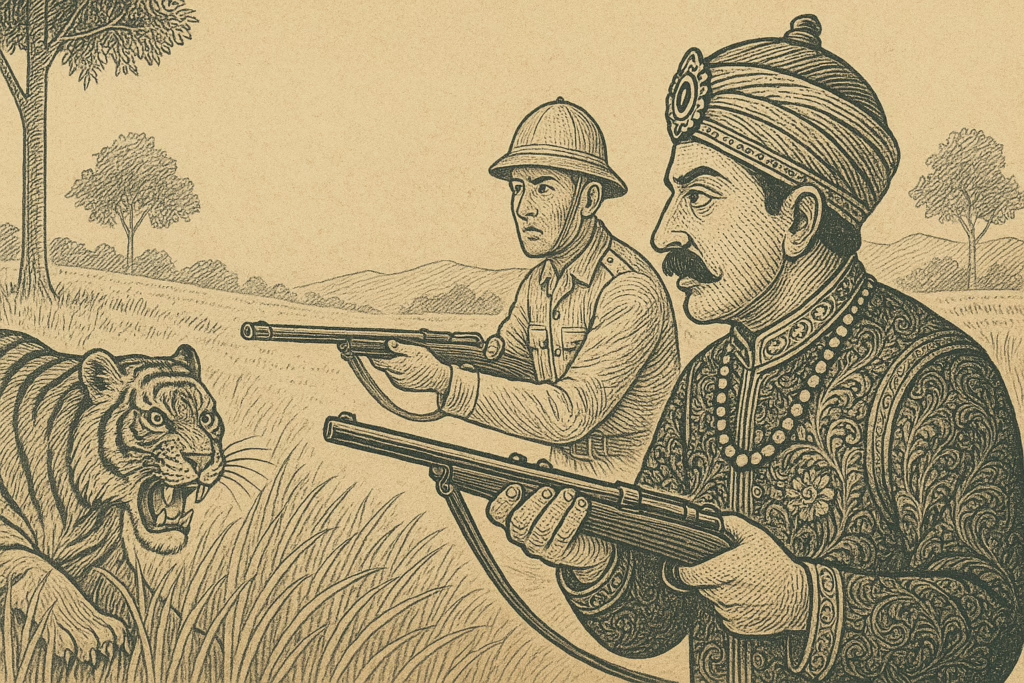
1. Why did the Maharaja strictly ban tiger hunting for everyone except himself?
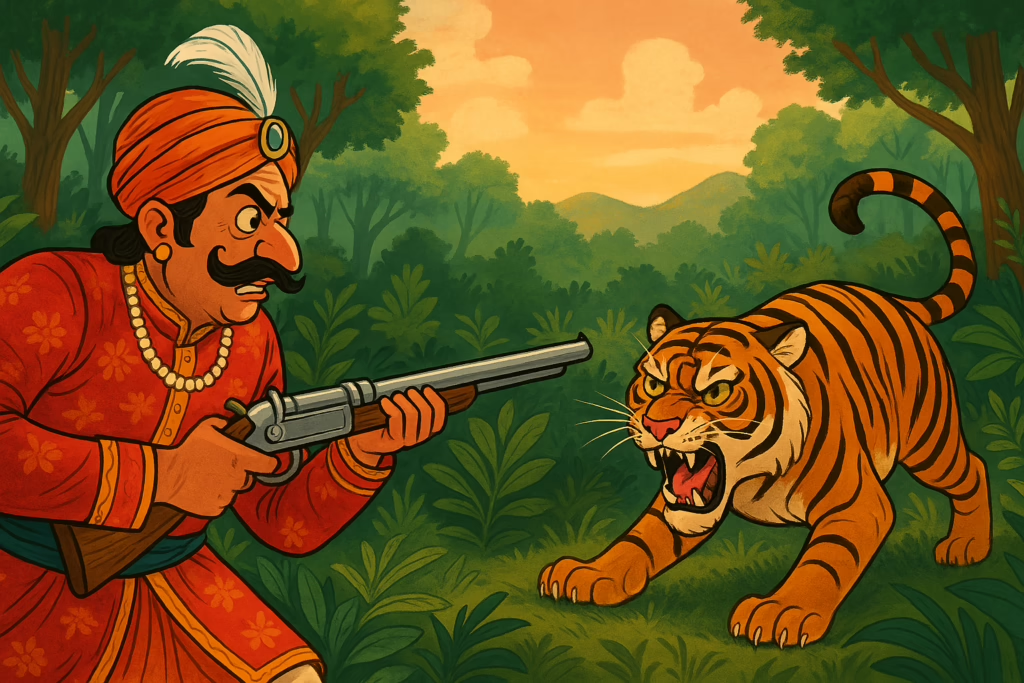
The Maharaja banned tiger hunting for others because he wanted to kill all tigers personally in order to defy the astrologer’s prophecy about his death. This ensured that no one else reduced the tiger population before he could reach his target.
2. How did the Maharaja react when the first tiger was killed?
The Maharaja was overjoyed after killing the first tiger. He felt triumphant and immediately summoned the astrologer to prove that he had begun defeating the prophecy regarding his death.
3. Why did the Maharaja marry a princess from another kingdom?
He married a princess from a state with many tigers because the forests of Pratibandapuram no longer had tigers. This marriage allowed him to continue hunting tigers in his father-in-law’s kingdom.
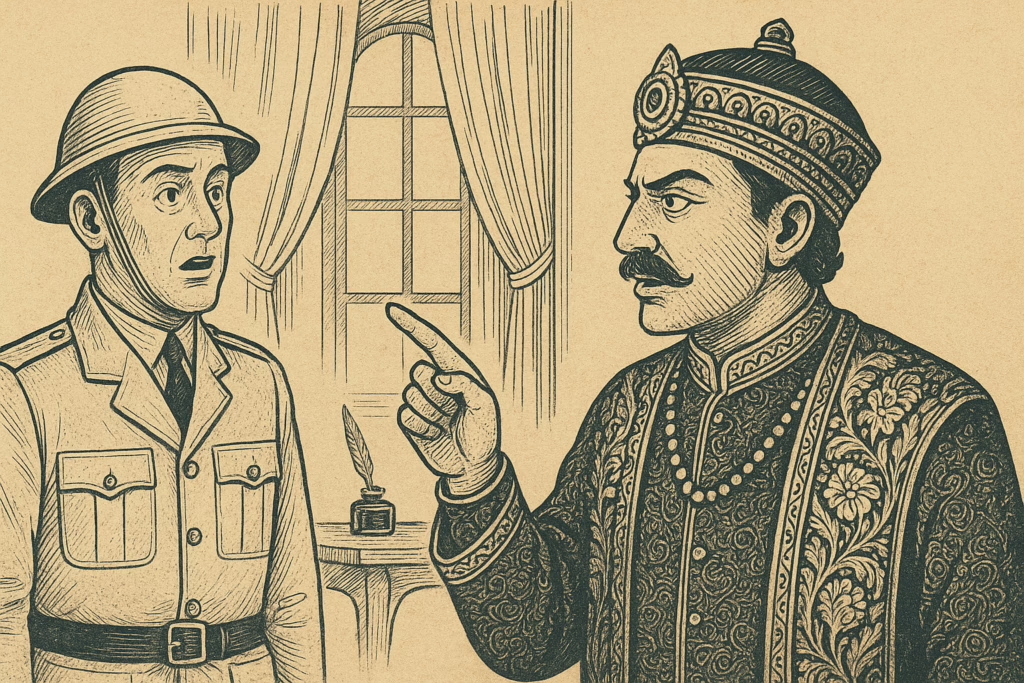
4. Why did the dewan bring a tiger from the People’s Park in Madras?
The dewan brought an old tiger secretly because the Maharaja was furious at not finding the hundredth tiger and had even threatened officers with dismissal. To save his own position, the dewan arranged a tiger for the king to “hunt.”
5. Why was the wooden toy tiger considered dangerous?
The wooden tiger was poorly made, with rough splinters sticking out. One splinter pierced the Maharaja’s hand. The wound became infected, spread through his arm, and ultimately caused his death.
🔹 B. Long Answer Questions (LAQs – 120–150 words)
6. Describe the Maharaja’s personality as reflected in the story.
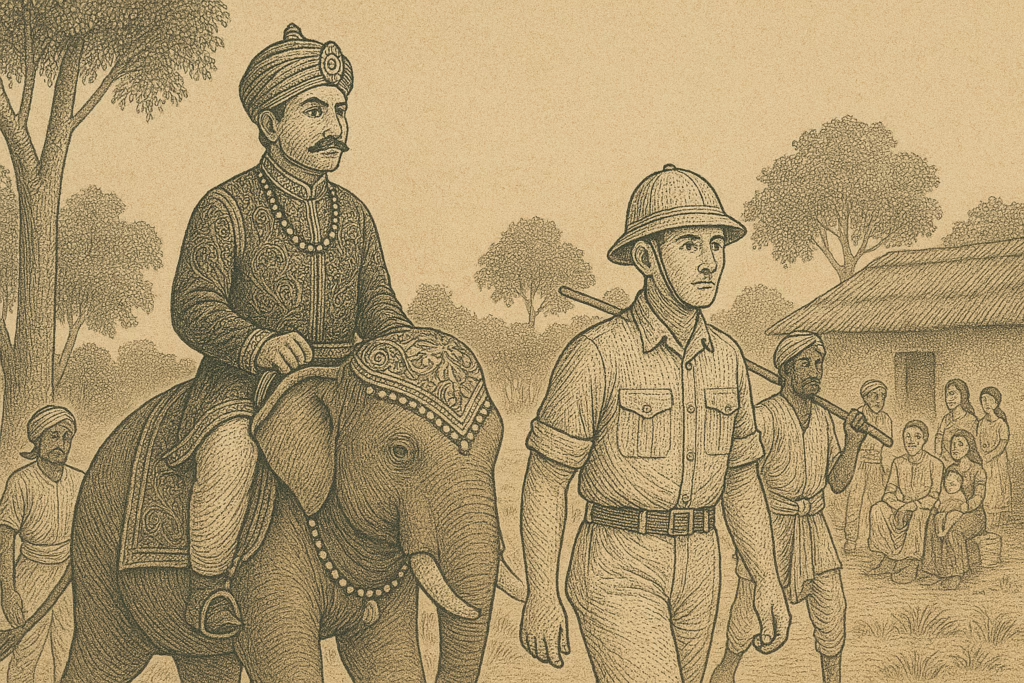
The Maharaja is portrayed as arrogant, stubborn, and obsessed with power. His entire life revolves around disproving the astrologer’s prophecy about his death. His pride makes him kill ninety-nine tigers and ignore the welfare of his people. He dismisses officers, raises taxes, and uses state machinery for personal goals. His insecurity forces others to flatter him and hide the truth from him. He even spends large sums of public money, such as gifting expensive diamond rings to retain British favour. Despite claiming bravery, he is actually controlled by fear of the prophecy. Ironically, instead of a tiger, a wooden toy tiger becomes the cause of his death, showing the foolishness of human arrogance. His character is a satire on rulers who misuse their authority.
7. How does Kalki use satire to criticize political power through the character of the Tiger King?
Kalki uses satire to expose the absurdity of authoritarian rulers. The Maharaja kills innocent tigers only to satisfy his ego. He manipulates laws, suppresses people, wastes public money, and misuses power to protect his throne. His officials obey him out of fear, not loyalty. The humour in the story—such as raising taxes just because a tiger was not found, sending diamond rings to a British lady to protect his kingdom, and believing he killed the hundredth tiger when he actually did not—reveals political hypocrisy. The final twist, where a toy tiger kills the King, mocks the idea that rulers can control fate through force. Through such irony, the author attacks the vanity and blind confidence of those in positions of absolute power.
🔹 C. HOTS Questions (Higher Order Thinking Skills)
8. What does the extinction of tigers in Pratibandapuram symbolize?
The extinction of tigers symbolizes the destruction caused by human greed and the misuse of power. It reflects how rulers who act without accountability damage nature, disrupt ecosystems, and endanger species.
9. Why is the ending of the story considered the ultimate example of irony?
The Maharaja spends his life killing real tigers to escape death, but in the end, a harmless wooden toy tiger kills him. This ironic twist shows that destiny cannot be controlled and that human arrogance often leads to downfall.
10. What commentary does the story offer about the relationship between rulers and their subjects?
The story suggests that subjects live in fear and must obey even unreasonable orders. Their well-being comes second to the ruler’s ego. This reflects flawed leadership where personal desires outweigh public responsibilities.
🔹 D. Value-Based Questions
11. What values does the story promote regarding wildlife conservation?
The story promotes respect for nature, protection of endangered species, and responsible use of power. It highlights how unchecked hunting leads to ecological imbalance and how humans must learn to coexist with wildlife.
12. What moral lesson does the Maharaja’s death teach?
The Maharaja’s death teaches that pride and the desire to defy fate lead to downfall. True leadership lies in humility, compassion, and responsibility—not domination or cruelty.
🔹 E. Extract-Based Questions
Extract:
“The Maharaja was thrilled beyond measure when he killed his first tiger.”
13. Why was the Maharaja so thrilled?
He was thrilled because killing the first tiger made him feel confident that he could defeat the astrologer’s prophecy of death by a tiger.
14. What does this reaction reveal about his character?
This reaction reveals his arrogance and obsession with proving his superiority over fate.
Extract:
“The operation was successful. The Maharaja is dead.”
15. Explain the irony in this statement.
Although the doctors claim the operation was successful, the patient is dead. It highlights the ultimate irony that the Maharaja’s attempts to escape death by a tiger fail because a wooden tiger causes his death.
🔹 F. Character-Based Questions
16. Describe the role of the dewan in shaping the story.
The dewan represents the typical fearful courtier who obeys the ruler blindly. He manipulates situations, brings an old tiger secretly, and pretends loyalty while acting for his own survival. His actions intensify the satire in the story.
17. How does the astrologer contribute to the plot?
The astrologer sets the entire story in motion by predicting the prince’s death from a tiger. His prophecy becomes the central driving force behind the Maharaja’s irrational actions.
In conclusion, The Tiger King remains a powerful literary piece that blends satire, irony, and social criticism to reveal the flaws of unchecked authority and human ego. Through its humorous yet thought-provoking narrative, the story encourages readers to reflect on moral responsibility, environmental consciousness, and the importance of humility. The wide range of questions included in this article is designed to help learners engage deeply with the text, understand its layers of meaning, and prepare effectively for the CBSE Class XII examination. By analysing the themes, characters, and literary techniques, students not only strengthen their academic skills but also gain a broader understanding of the values embedded within the story.