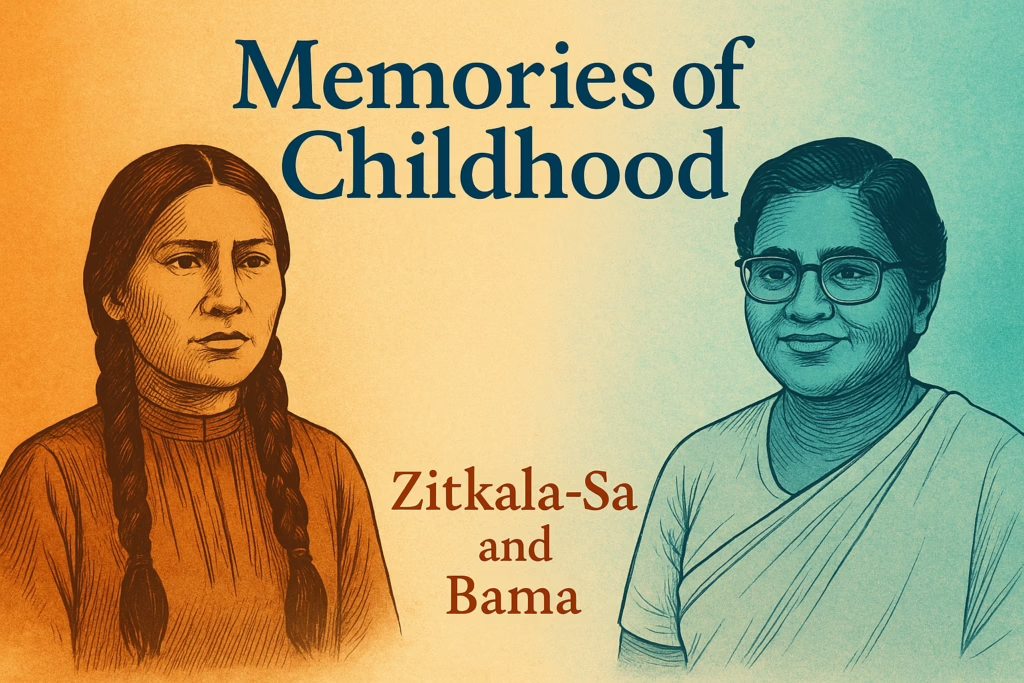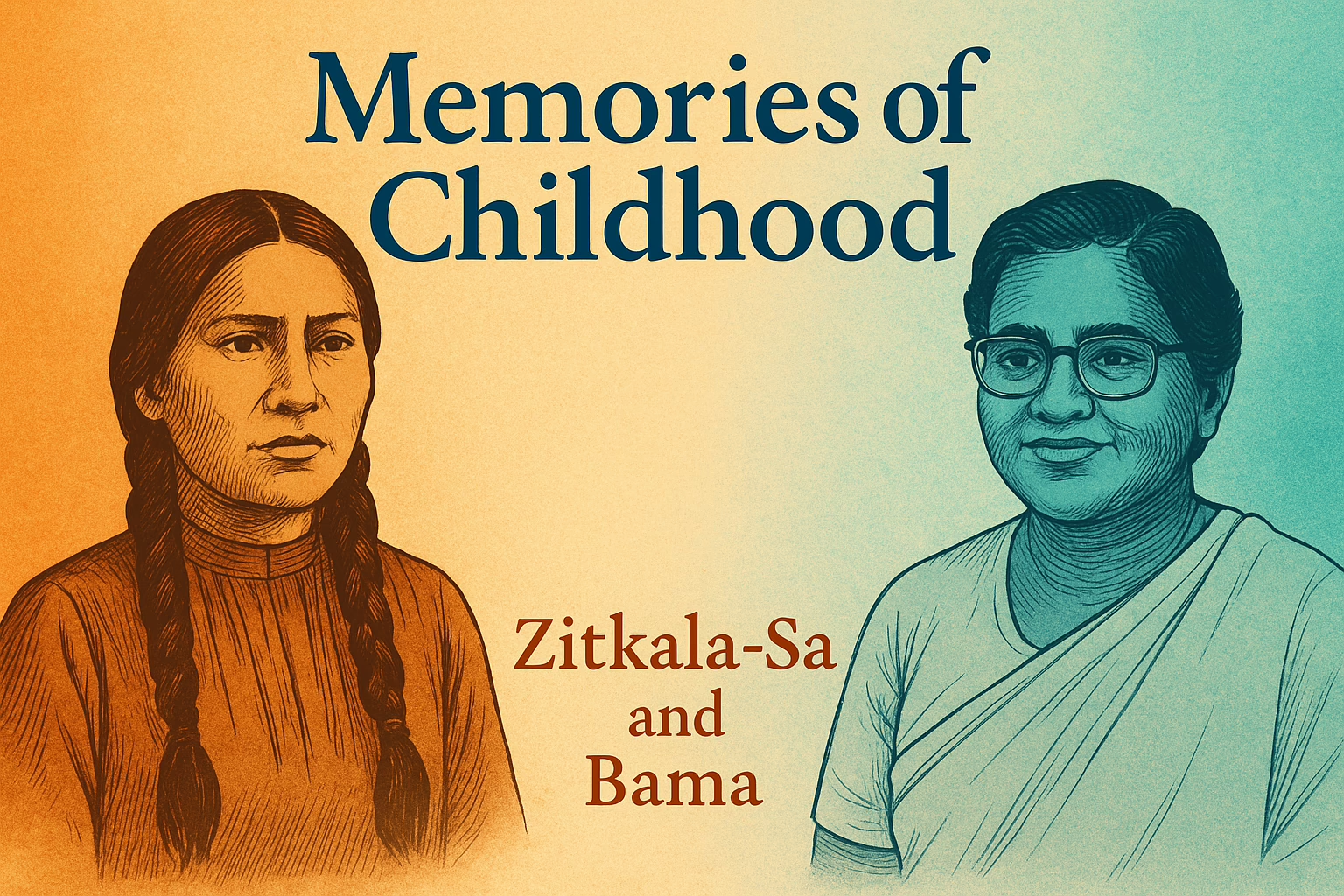
Memories of Childhood by Zitkala-Sa and Bama is a powerful prose lesson that explores the harsh realities of social discrimination through the innocent yet sensitive lens of childhood. Though rooted in two different cultures and continents, the narratives expose the universal nature of oppression based on race and caste. The chapter highlights how early experiences of humiliation and injustice leave a deep impact on young minds and sow the seeds of awareness, resistance, and self-respect. The following set of additional questions has been carefully designed to help Class XII CBSE students gain a deeper understanding of the themes, characters, values, and social messages embedded in the text, while also strengthening their analytical and writing skills for examinations.

Additional Questions and Answers
A. Very Short Answer Questions (1–2 marks)
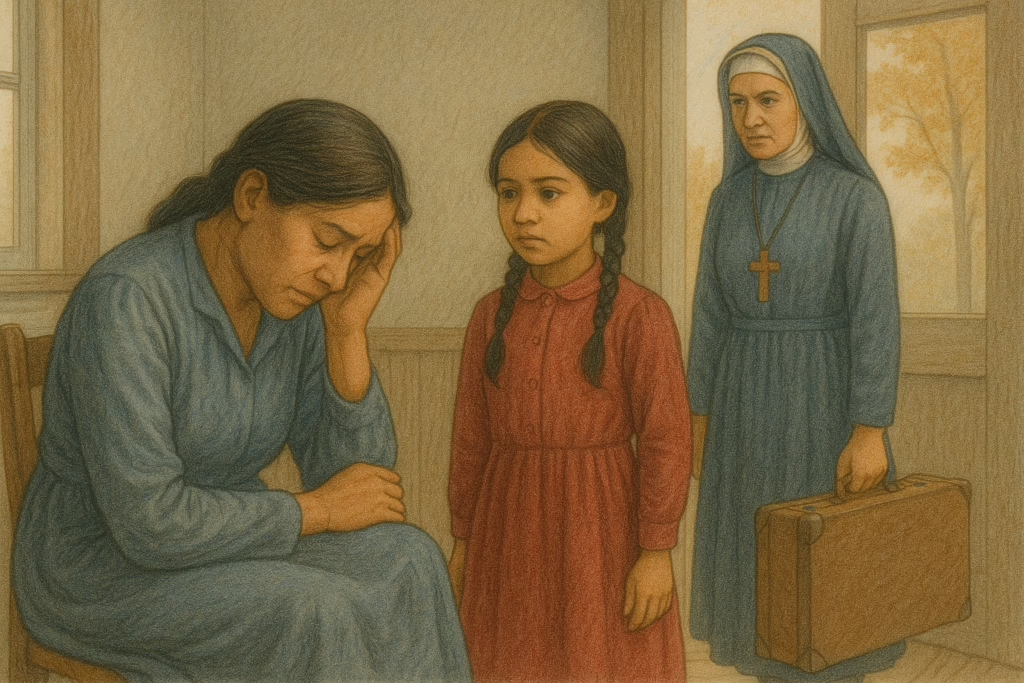
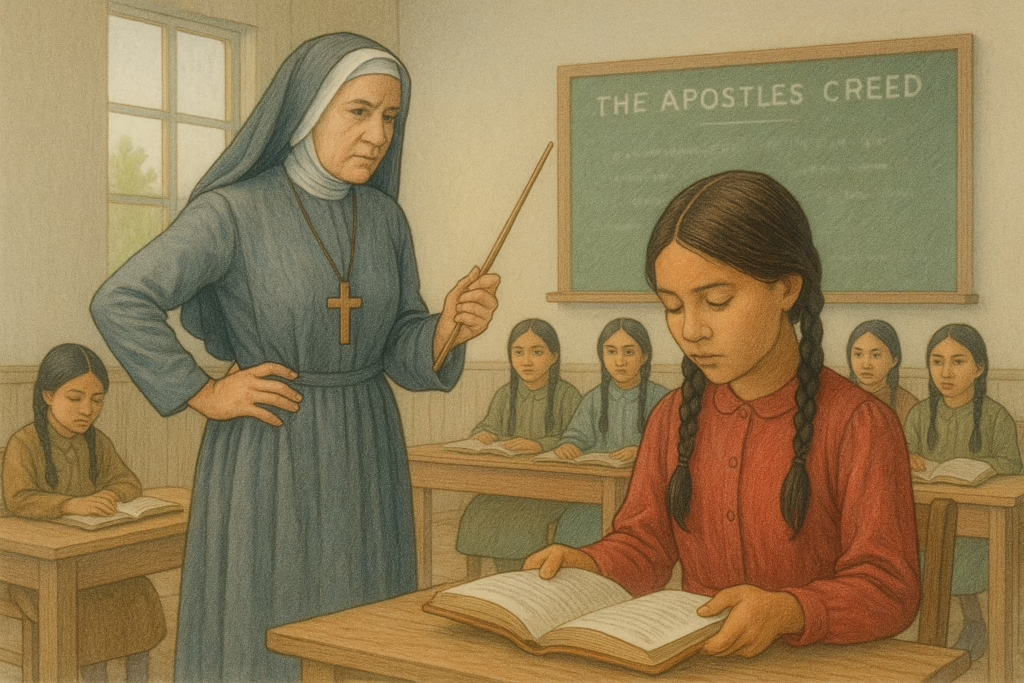
1. Why was Zitkala-Sa frightened on her first day at the boarding school?
Zitkala-Sa was frightened because the environment was unfamiliar, the rules were strict, and the loud bells and unknown language made her feel trapped and helpless.
2. What cultural significance did long hair have for Zitkala-Sa’s community?
In Zitkala-Sa’s culture, long hair symbolised dignity, bravery, and cultural identity, and cutting it was considered a mark of shame.
3. What did Judewin warn Zitkala-Sa about?
Judewin warned Zitkala-Sa that the authorities planned to cut the girls’ long hair.
4. Why did Bama take a long time to return home from school?
Bama took a long time because she enjoyed watching the lively scenes of the marketplace, street performances, and daily activities.
5. What made Bama stop laughing after narrating the incident to her brother?
Bama stopped laughing when her brother explained that the elder carried food by its string due to caste-based untouchability.
B. Short Answer Questions (3–4 marks)
6. Describe Zitkala-Sa’s attempt to resist the cutting of her hair.
Zitkala-Sa resisted the cutting of her hair by hiding under a bed and refusing to come out despite being searched for. She struggled violently when she was found, but she was ultimately overpowered and forced to submit.
7. How does the boarding school represent cultural oppression in Zitkala-Sa’s account?
The boarding school represents cultural oppression by enforcing alien customs, uniforms, food habits, and discipline while stripping Native American children of their identity and traditions.
8. What incident made Bama realise the reality of caste discrimination?
Bama realised caste discrimination when she saw an elder from her community carrying food for an upper-caste landlord without touching it, to avoid polluting him.
9. How did Annan influence Bama’s thinking?
Annan explained the logic of untouchability to Bama and encouraged her to fight discrimination through education, self-respect, and hard work.
10. Why did Bama feel angry after understanding the meaning of the incident?
Bama felt angry because she realised how humiliating it was for her people to be treated as inferior and polluted despite being human beings.
C. Long Answer Questions (5–6 marks)
11. Compare the nature of discrimination faced by Zitkala-Sa and Bama.
Zitkala-Sa faced racial and cultural discrimination as a Native American child in a white-controlled boarding school, where her identity was forcibly erased. Bama faced caste-based discrimination as a Dalit child in Indian society, where untouchability dictated social behaviour. While Zitkala-Sa resisted physically and emotionally, Bama chose education as a means of long-term resistance.
12. How does the chapter show that childhood experiences shape one’s personality?
The chapter shows that painful childhood experiences awaken awareness and resistance against injustice. Zitkala-Sa’s humiliation strengthens her resolve to preserve her culture, while Bama’s realisation motivates her to excel in education and challenge social oppression.
13. “Education is a powerful tool against oppression.” Justify this statement with reference to the text.
Bama’s brother emphasises that education can help overcome caste-based humiliation. Inspired by his words, Bama studies hard and earns respect, proving that education empowers individuals to challenge discrimination and gain dignity.
D. HOTS (Higher Order Thinking Skills)
14. Why do you think the authors chose childhood memories to highlight social injustice?
The authors chose childhood memories because innocence makes injustice more striking and impactful. These experiences show that discrimination is deeply rooted and affects individuals from an early age.
15. What message does the chapter convey about human dignity?
The chapter conveys that every human being deserves dignity and respect, regardless of race, caste, or background, and that oppression must be questioned and resisted.
E. Value-Based Question
16. What values can students learn from Memories of Childhood?
Students learn the values of courage, self-respect, equality, awareness, and the importance of education in fighting injustice and social discrimination.
In conclusion, Memories of Childhood serves as a compelling reminder of how deeply social injustice affects individuals from a very young age. Through the lived experiences of Zitkala-Sa and Bama, the chapter exposes the cruelty of racial and caste-based discrimination while also highlighting the power of resistance, awareness, and education. The additional questions discussed in this article encourage students to think critically about these issues and reflect on the values of equality, dignity, and self-respect. By engaging with these questions, learners not only prepare effectively for their examinations but also develop a deeper understanding of social responsibility and human rights.