About the Poet – Leslie Norris
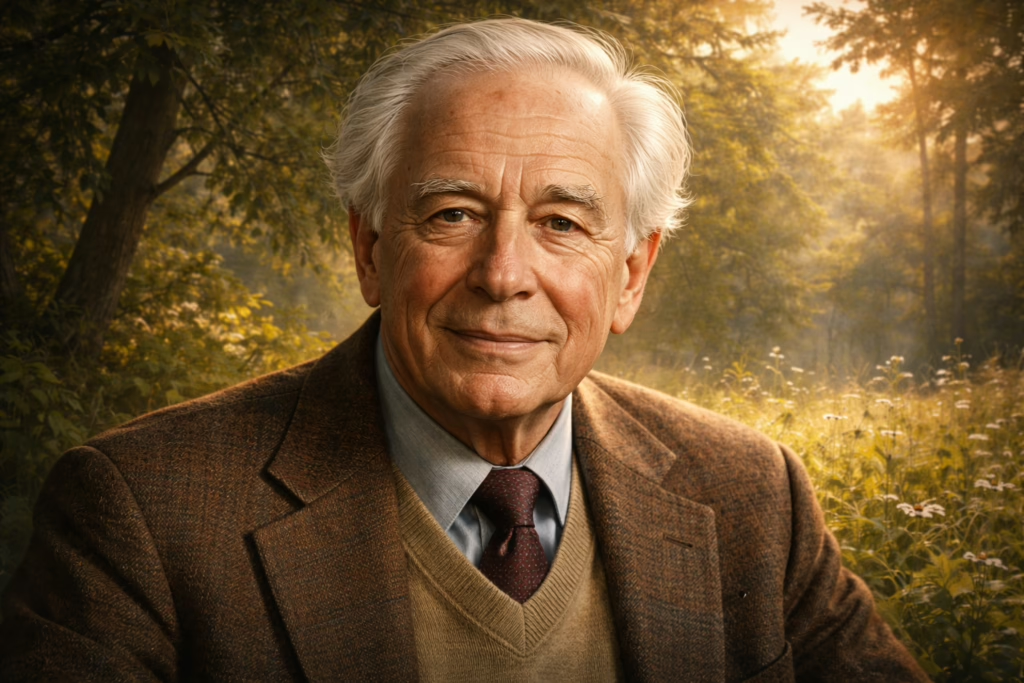
Leslie Norris (1921–2006) was a well-known Welsh poet, short-story writer, and academic. He was born in Merthyr Tydfil, Wales, and later taught literature in the United Kingdom and the United States. His writing is deeply influenced by nature, human values, moral responsibility, and compassion for living beings.
Leslie Norris is best known for his simple yet powerful poetic style, which often highlights social issues through everyday images and natural symbols. In his poem A Tiger in the Zoo, he focuses on animal suffering, freedom, and captivity, using the tiger as a symbol of suppressed strength and lost dignity.
Norris strongly believed that literature should create awareness and sensitivity, especially towards nature and the voiceless. His works encourage readers to reflect on human behaviour and its impact on the natural world.
Summary of A Tiger in the Zoo
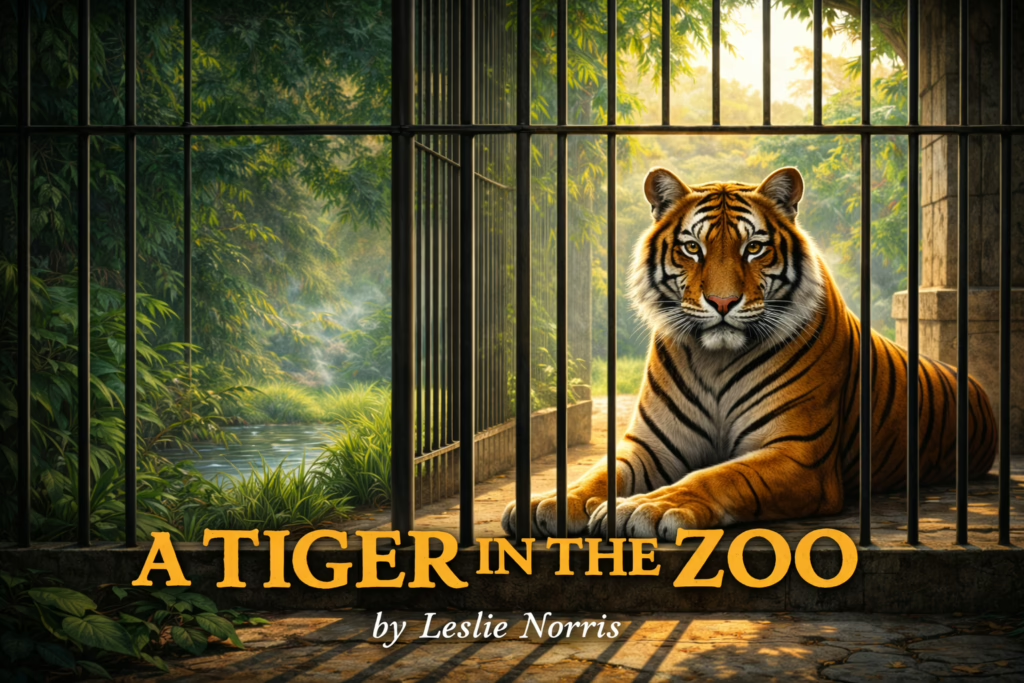
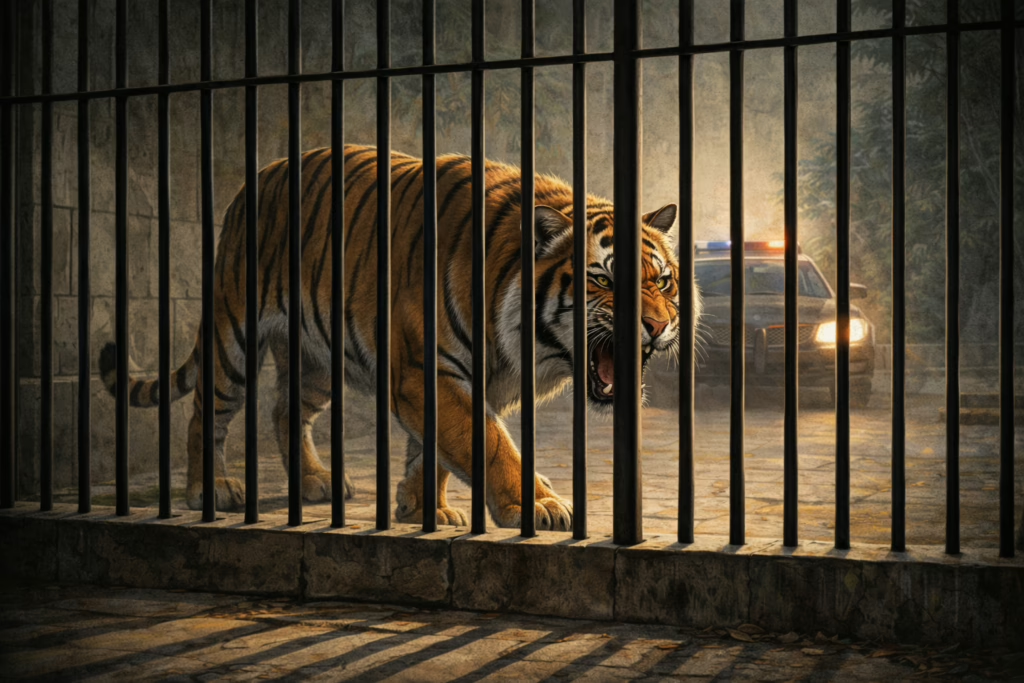
The poem A Tiger in the Zoo by Leslie Norris highlights the suffering of a wild tiger kept in captivity and contrasts it with the freedom it would enjoy in its natural habitat. The poet describes the tiger pacing restlessly inside a small cage, filled with anger and helplessness. Though powerful and dangerous by nature, the tiger is forced to live behind bars, unable to express its strength or hunt for food.
The poet then imagines the tiger in the jungle, where it would move freely through tall grass, hunt deer near water holes, and terrorise villages at night. This sharp contrast emphasises the unnatural and cruel life of animals in zoos.
In the final stanza, the tiger is shown lying quietly in the cage at night, staring at the brilliant stars. This image reflects the tiger’s silent longing for freedom and its suppressed rage. Through this poem, the poet strongly criticises the practice of keeping wild animals in captivity and conveys the message that freedom is essential for all living beings.
Context of the Poem – A Tiger in the Zoo
The poem A Tiger in the Zoo is written by Leslie Norris and is set against the background of increasing concern for animal rights and wildlife conservation. During the modern age, wild animals are often captured and kept in zoos for human entertainment, education, or display. The poem reflects this reality and questions the morality of confining wild creatures in artificial environments.
The poet presents the tiger as a symbol of strength, freedom, and natural power, which is lost when it is imprisoned in a zoo cage. By contrasting the tiger’s miserable life in captivity with its majestic life in the jungle, Norris highlights the cruelty of captivity and the injustice done to wild animals. The poem urges readers to rethink the practice of keeping animals in cages and to respect their right to live freely in their natural habitats.
Thus, the poem is not just about a tiger in a zoo but a strong protest against the loss of freedom caused by human interference in nature.

Analysis of the Poem: A Tiger in the Zoo
The poem A Tiger in the Zoo by Leslie Norris presents a powerful contrast between a tiger’s life in captivity and its life in the wild. Through vivid imagery and sharp contrasts, the poet highlights the cruelty of imprisonment and stresses the importance of freedom for all living beings.
1. Central Theme
The central theme of the poem is freedom versus captivity.
The tiger symbolises strength, power, and natural dignity, which are destroyed when it is confined to a cage. The poet strongly criticises the practice of keeping wild animals in zoos and suggests that captivity suppresses their natural instincts and identity.
2. Contrast Between Zoo and Jungle
A major poetic technique used in the poem is contrast:
- In the zoo:
- The tiger is locked in a “concrete cell”
- It paces angrily in “quiet rage”
- It is helpless, ignored by visitors
- In the jungle:
- The tiger would roam freely in tall grass
- Hunt deer near water holes
- Terrorise villages at night
This contrast clearly shows that the zoo is an unnatural and cruel space, while the jungle represents freedom, power, and purpose.
3. Imagery and Visual Appeal
The poet uses strong visual imagery to make the tiger’s suffering vivid:
- “Pads of velvet quiet” shows the tiger’s silent strength
- “Concrete cell” highlights confinement and lifelessness
- “Brilliant eyes” and “brilliant stars” suggest awareness and longing
These images help readers feel the tiger’s pain and frustration.
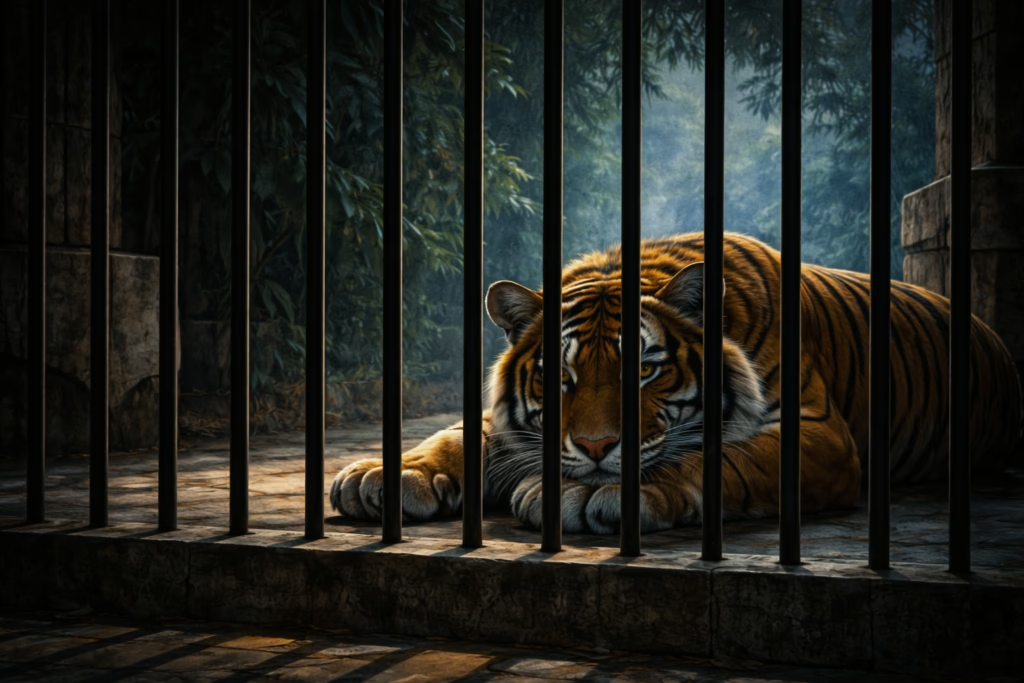
4. Tone and Mood
- The tone of the poem is critical and sympathetic
- The mood is one of sadness, anger, and silent protest
The poet does not directly accuse humans but uses the tiger’s condition to evoke sympathy and moral reflection.
5. Symbolism
- The tiger → symbol of wild nature and suppressed freedom
- The cage → symbol of human cruelty and control
- The stars → symbol of freedom and the natural world beyond reach
Through symbolism, the poem gains universal meaning, going beyond one tiger in one zoo.
6. Message of the Poem
The poem conveys a strong message that:
- Wild animals do not belong in cages
- Captivity destroys their dignity and natural behaviour
- True conservation lies in protecting natural habitats, not imprisoning animals
The poem appeals to human conscience and urges respect for nature and animal rights.