A Tiger in the Zoo by Leslie Norris is a thought-provoking poem that highlights the sharp contrast between the life of a wild animal in its natural habitat and its life in captivity. Through vivid imagery and powerful descriptions, the poet presents the tiger as a symbol of strength, freedom, and suppressed anger when confined behind bars. The poem raises important questions about human cruelty, animal rights, and the ethical responsibility of protecting wildlife.
This article brings together all the textbook-prescribed questions and answers related to the poem, including reference-based questions, vocabulary tasks, interpretative exercises, and opinion-based responses. Written in simple, exam-oriented language, the answers follow CBSE Class X standards and are designed to help students understand the poem deeply, revise effectively, and perform confidently in examinations.
1. Read the poem again and do the following tasks
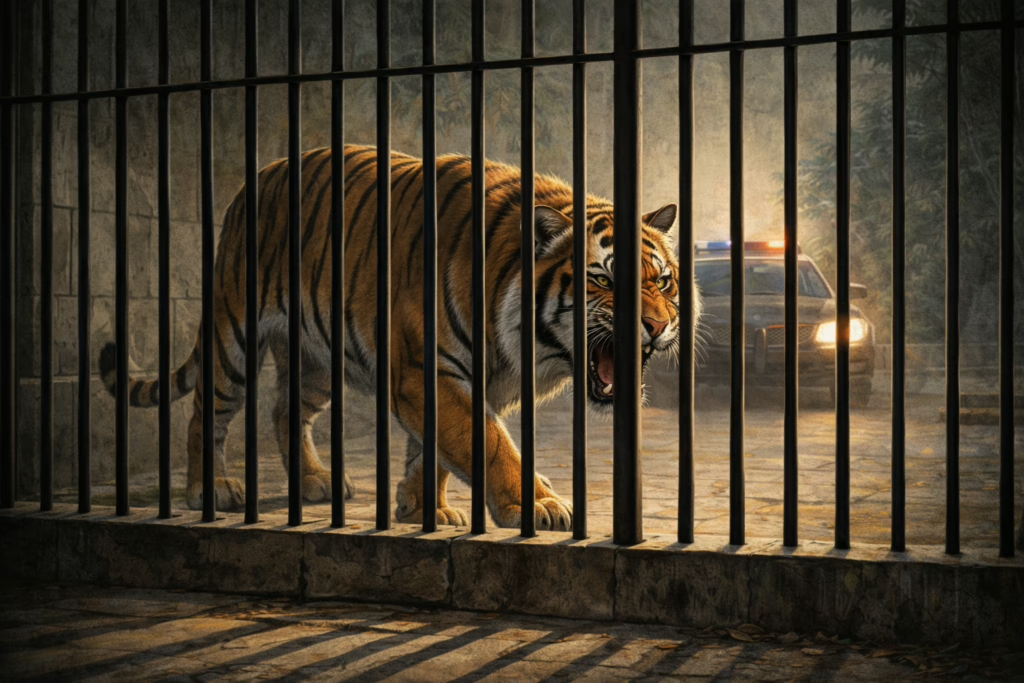
(i) Words describing the movements and actions of the tiger
| Tiger in the Cage (Zoo) | Tiger in the Wild (Jungle) |
|---|---|
| stalks | lurking |
| few steps | sliding |
| quiet rage | snarling |
| locked | terrorising |
| pacing | baring fangs |
| ignoring visitors | hunting prey |
(ii) Words describing the two places
| Zoo | Jungle (Natural Habitat) |
|---|---|
| cage | shadow |
| concrete cell | long grass |
| behind bars | water hole |
| visitors | jungle’s edge |
| patrolling cars | village |
(iii) How does the poet contrast the two situations?
Answer:
The poet uses strong visual imagery and contrasting words to show the difference between the tiger’s unnatural life in the zoo and its free, powerful life in the jungle. In the zoo, the tiger is restless, angry, and helpless. In the jungle, it is majestic, fearless, and dangerous. This contrast highlights the cruelty of captivity.

2. Notice the use of repetition
Lines:
- “On pads of velvet quiet,
In his quiet rage.” - “And stares with his brilliant eyes
At the brilliant stars.”
Question: What is the effect of this repetition?
Answer:
The repetition emphasises the inner emotions of the tiger.
- “Quiet” shows suppressed anger and helplessness.
- “Brilliant” highlights the tiger’s sharp awareness and longing for freedom.
The repetition adds intensity and musical quality to the poem.
3. Read the two poems and discuss
Question:
Are zoos necessary for the protection or conservation of some species of animals? Are they useful for educating the public? Are there alternatives to zoos?
Answer (Balanced CBSE-style):
Zoos can help protect endangered species and educate people about wildlife. They provide medical care and breeding programs for animals that may not survive in the wild. However, zoos also restrict animals’ freedom and force them to live unnaturally. Many animals suffer mentally and physically in captivity.
Alternatives to zoos include wildlife sanctuaries, national parks, and reserves, where animals can live in natural surroundings. Modern technology such as documentaries and virtual safaris can educate people without imprisoning animals. Therefore, conservation should focus more on protecting natural habitats rather than keeping animals in cages.
4. Take a point of view for or against zoos (The Panther / The Greater Cats)
Answer (Against Zoos – Sample Paragraph):
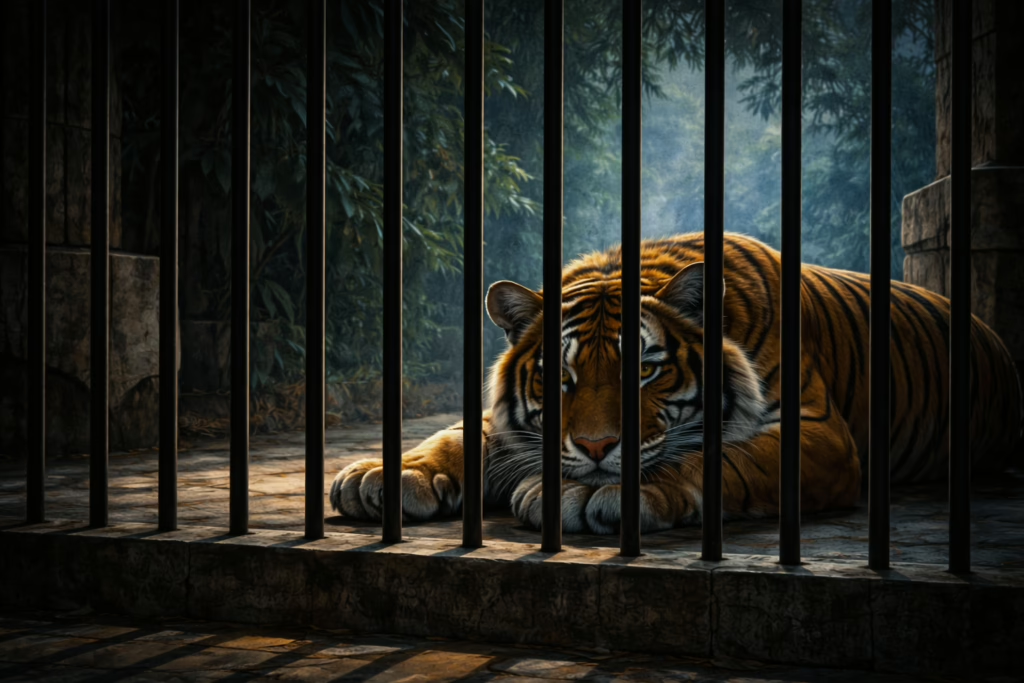
Zoos deny animals their natural freedom and force them into artificial environments. Poems like The Panther and The Greater Cats show animals trapped behind bars, mentally and physically suffering. Though zoos claim to protect wildlife, they often prioritise human entertainment over animal well-being. Animals belong in forests, deserts, and grasslands—not cages. Protecting natural habitats and creating wildlife reserves is a better and more humane solution than keeping animals imprisoned for display.
A Tiger in the Zoo is a powerful poem that draws attention to the suffering of wild animals when they are deprived of their natural freedom. Through the contrast between the tiger’s life in the cage and in the jungle, Leslie Norris makes readers reflect on the cruelty of captivity and the importance of respecting nature. The questions and answers discussed in this article help students understand the poem’s imagery, themes, and message in a clear and structured manner.
By revising these answers, students can not only prepare effectively for examinations but also develop sensitivity towards animals and the environment. The poem ultimately teaches that freedom is essential for all living beings and that true conservation lies in protecting natural habitats rather than confining animals for human entertainment.