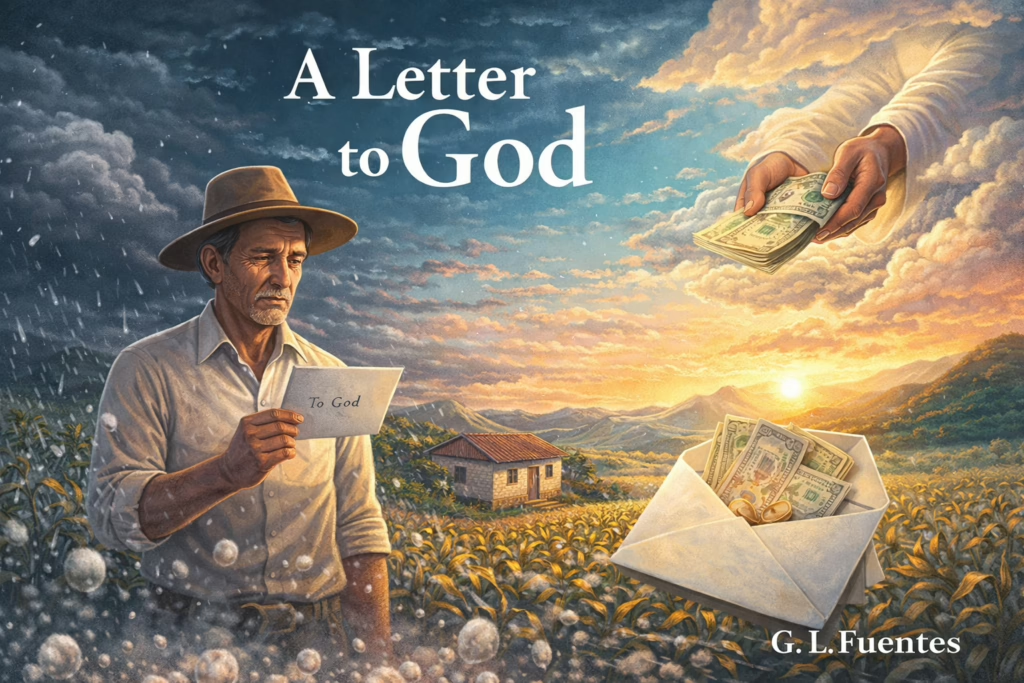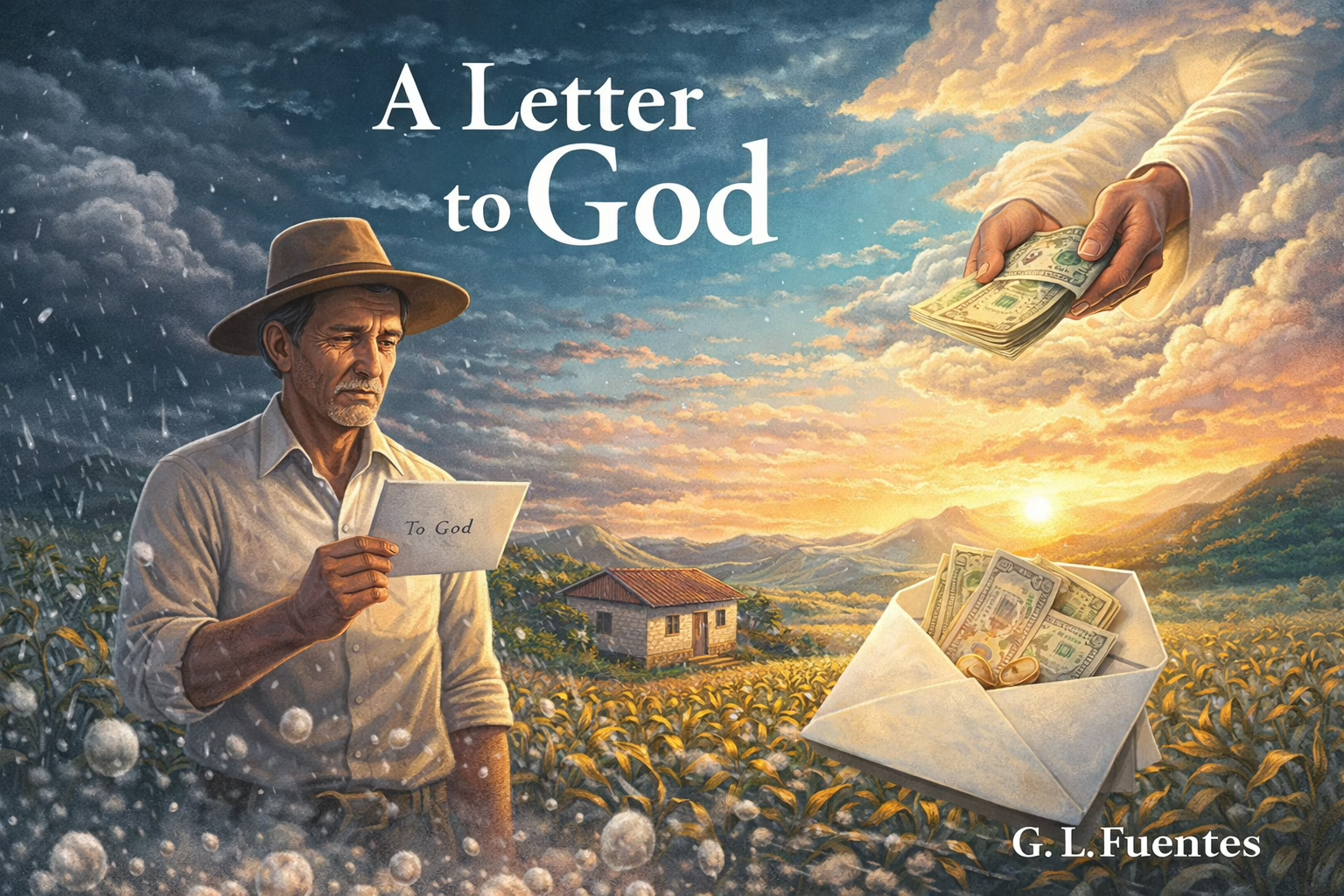
The textbook First Flight for Class X (CBSE) introduces students to literary texts that explore human values, emotions, and moral dilemmas through simple yet powerful narratives. One such story, A Letter to God by Gregorio López Fuentes, highlights themes of faith, hope, kindness, and irony through the life of a humble farmer. To help students develop a clear understanding of the text, this article presents a comprehensive collection of textual questions and answers based strictly on the prescribed lesson. These answers are framed in clear, complete sentences and follow the CBSE examination pattern, enabling students to strengthen their comprehension, improve writing skills, and prepare effectively for board examinations. The article aims to serve as a reliable study aid for revision, classroom discussion, and exam-oriented practice.
A LETTER TO GOD – COMPLETE ANSWERS
BEFORE YOU READ – Activity (Money Order)
Meanings of the words
- Counter: A long table in a post office where customers are served
- Counter clerk: The postal employee at the counter
- Appropriate: Suitable or correct
- Acknowledgement: A written confirmation of receipt
- Counterfoil: The part of a form kept as a record
- Record: Official written proof or information
Money Order – Fill in the Statements (Page 3)
(i) In addition to the sender, the form has to be signed by the payee.
(ii) The ‘Acknowledgement’ section of the form is sent back by the post office to the sender after the payee signs it.
(iii) The ‘Space for Communication’ section is used for writing a short message.
(iv) The form has six sections. The sender needs to fill out three sections and the receiver one section.
ORAL COMPREHENSION CHECK – 1 (After the Hailstorm)
1. What did Lencho hope for?
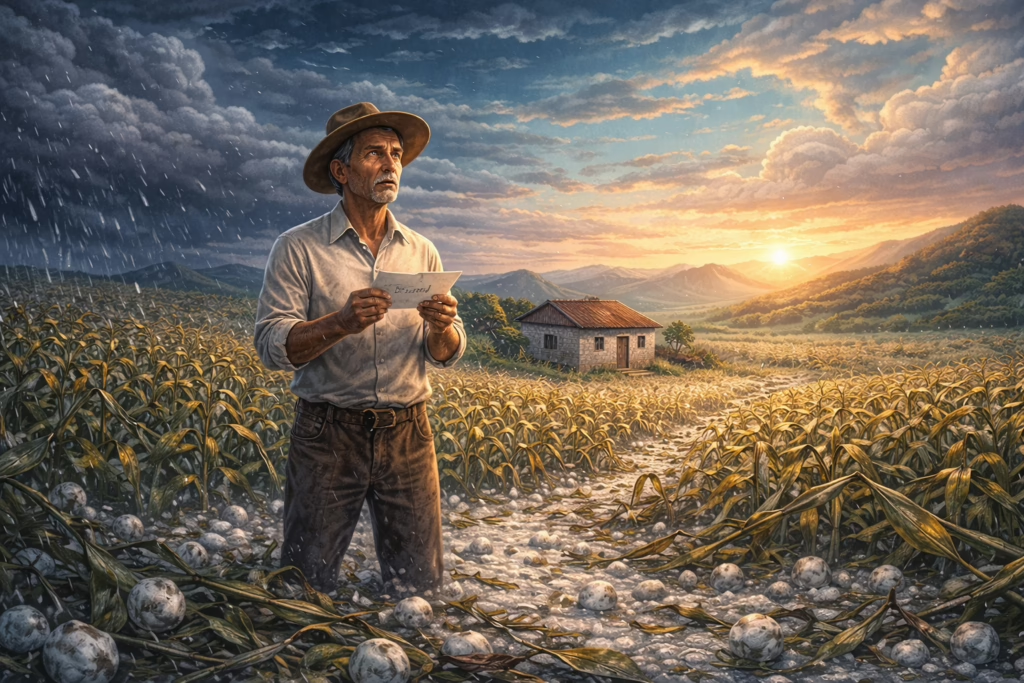
Lencho hoped for rain so that his ripe corn fields would receive enough water for a good harvest.
2. Why did Lencho say the raindrops were like ‘new coins’?
Lencho compared the raindrops to new coins because rain would bring prosperity and money through crops.
3. How did the rain change? What happened to Lencho’s fields?
The rain soon turned into a violent hailstorm, which destroyed Lencho’s crops completely.
4. What were Lencho’s feelings when the hail stopped?
Lencho felt deep sadness and despair because his entire year’s work was ruined.
ORAL COMPREHENSION CHECK – 2 (Letter to God)
1. Who or what did Lencho have faith in? What did he do?
Lencho had complete faith in God. He wrote a letter to God asking for one hundred pesos.
2. Who read the letter?
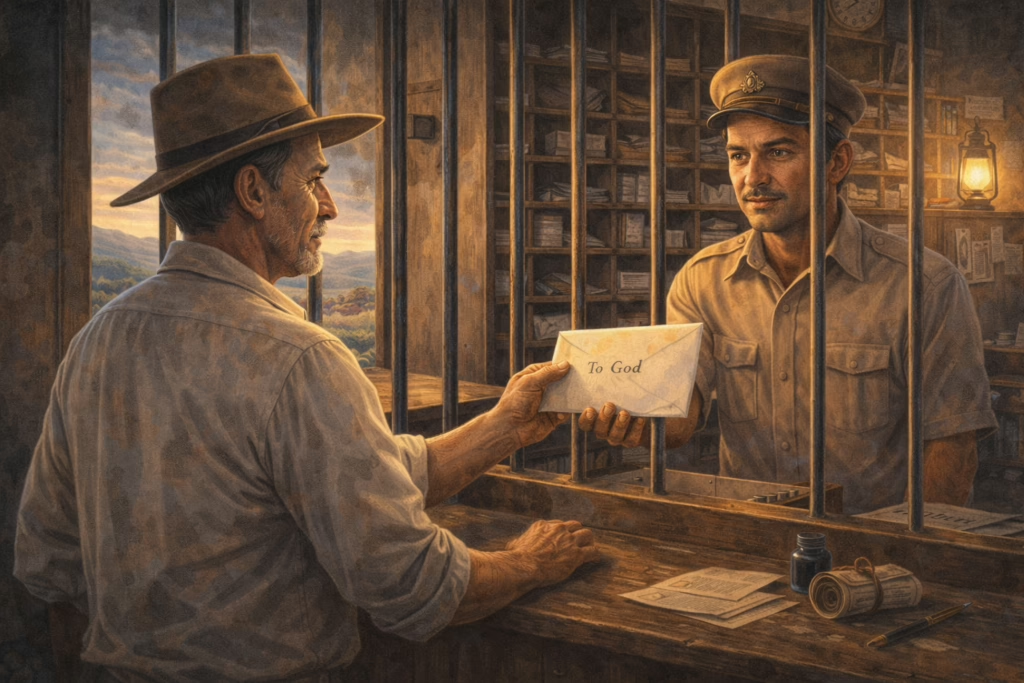
The postman read the letter first and showed it to the postmaster.
3. What did the postmaster do then?
The postmaster decided to help Lencho by collecting money from his staff and friends and sent it to him.
ORAL COMPREHENSION CHECK – 3 (Money Received)
1. Was Lencho surprised to find a letter for him with money in it?
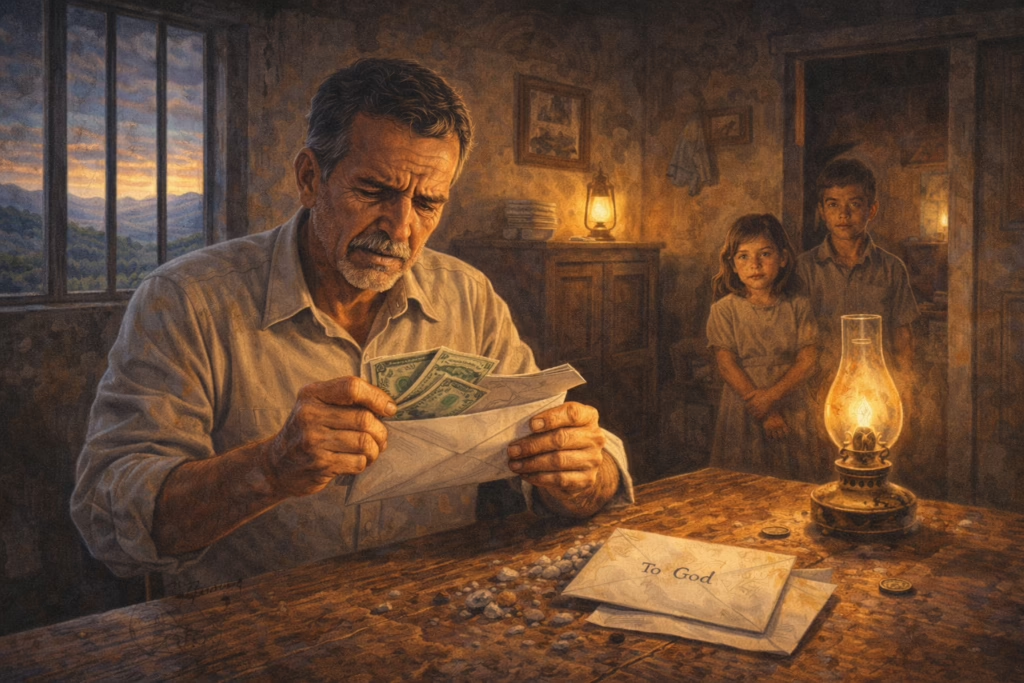
No, Lencho was not surprised because he was confident that God would help him.
2. What made him angry?
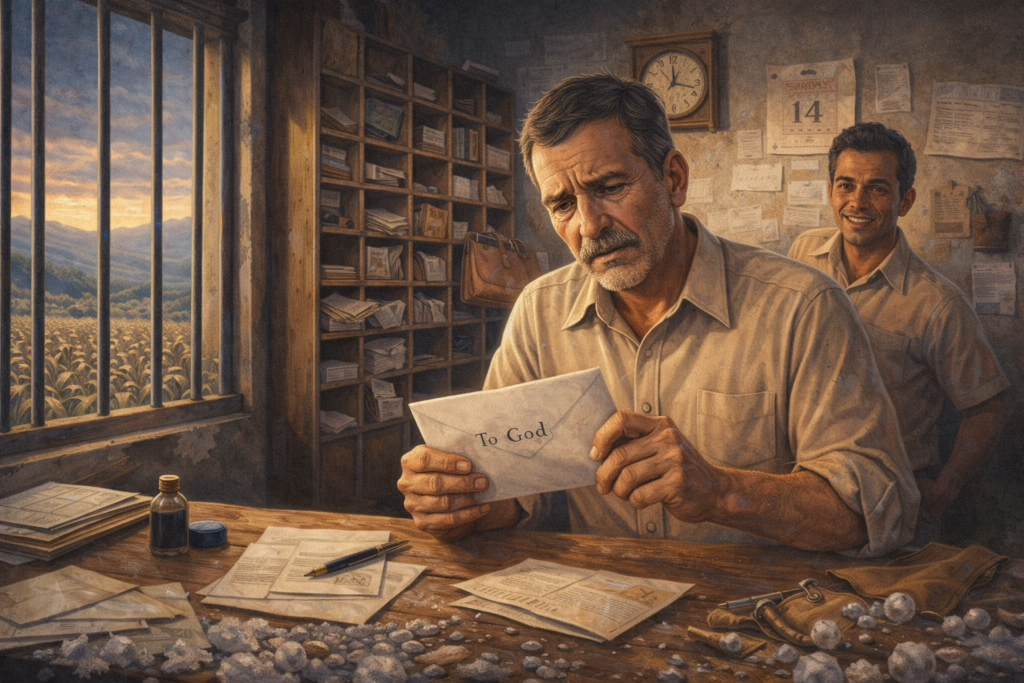
Lencho became angry when he found that the money was less than what he had asked for.
THINKING ABOUT THE TEXT
1. Who does Lencho have complete faith in? Which sentences show this?
Lencho has complete faith in God. This is shown when he writes directly to God and believes God cannot make mistakes.
2. Why does the postmaster send money to Lencho? Why does he sign the letter ‘God’?
The postmaster sends money to preserve Lencho’s faith in God. He signs the letter as “God” so that Lencho continues to believe in divine help.
3. Did Lencho try to find out who had sent the money? Why/Why not?
No, Lencho did not try to find out because he was certain that God had sent the money.
4. Who does Lencho think has taken the rest of the money? What is the irony?
Lencho thinks the post office employees took the remaining money. The irony is that they were the ones who helped him.
5. Are there people like Lencho in the real world? What kind of a person is he?
Yes, such people exist. Lencho is naïve, unquestioning, and deeply faithful.
6. How are the two kinds of conflict shown in the story?
The conflict between humans and nature is shown through the destructive hailstorm, while the conflict between humans is shown through Lencho’s mistrust of the post office employees.
THINKING ABOUT LANGUAGE – Storms
- Cyclone
- Gale
- Typhoon
- Tornado
- Hurricane
- Whirlwind
RELATIVE CLAUSES – Join the Sentences
- I often go to Mumbai, which is the commercial capital of India.
- My mother, who cooks very well, is going to host a TV show on cooking.
- These sportspersons, whose performance has been excellent, are going to meet the President.
- Lencho prayed to God, whose eyes see into our minds.
- This man, whom I trusted, cheated me.
USING NEGATIVES FOR EMPHASIS
- Not a leaf remained on the trees.
- It was nothing less than a letter to God.
- Never in his career as a postman had he known that address.
METAPHORS IN THE STORY
| Object | Metaphor | Quality Compared |
|---|---|---|
| Clouds | Huge mountains | Great mass |
| Raindrops | New coins | Value |
| Hailstones | Silver coins | Destructive wealth |
| Locusts | Epidemic | Complete destruction |
| Lencho | An ox of a man | Strength and hard work |
LISTENING ACTIVITY – Letter by Jaya (Page 12–13)
- The writer apologises because she had not written for a long time.
- The writer has sent this to Arti.
- The writer sent it in the month of January.
- The reason for not writing earlier was moving to a new house.
- Sarah goes to ‘Little Feet’ school.
- Who is writing to whom? Jaya is writing to Arti.
- Where and when were they last together? They were together in Bangalore last year.
In conclusion, A Letter to God offers students an insightful lesson on faith, human kindness, and the irony of life through a simple yet meaningful story. The textual questions and answers presented in this article are designed to deepen understanding of the plot, characters, themes, and language used in the lesson, while also aligning with CBSE examination requirements. By engaging with these questions, students can develop critical thinking, improve their written expression, and gain confidence in answering literature-based questions. Overall, this article serves as a useful resource for revision and exam preparation, helping learners appreciate both the moral message and literary value of the text.