Summary of Memories of Childhood
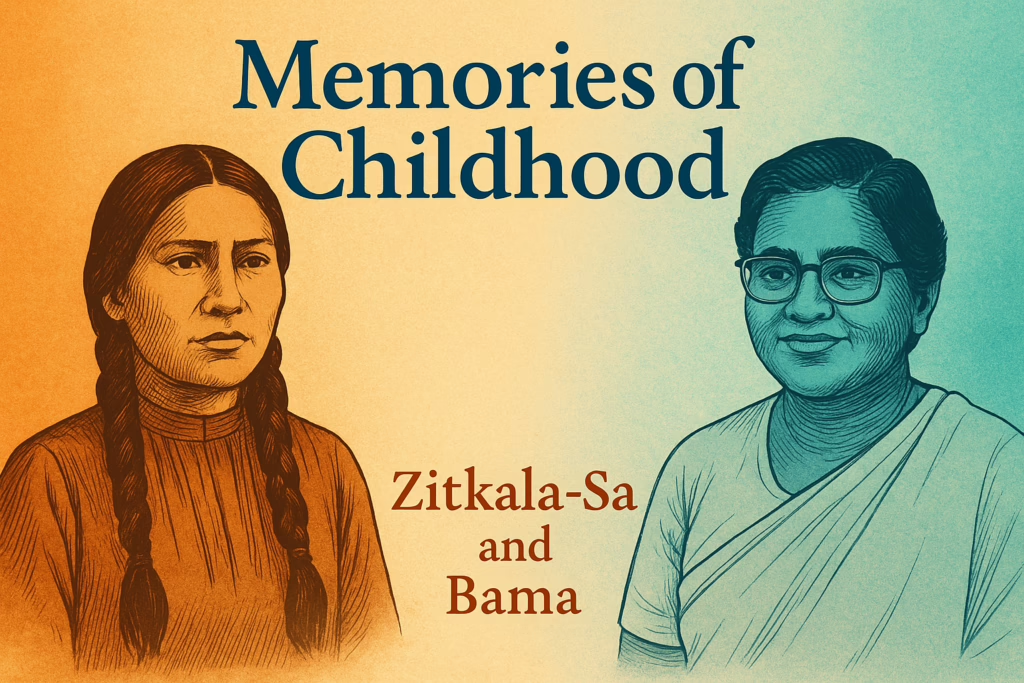
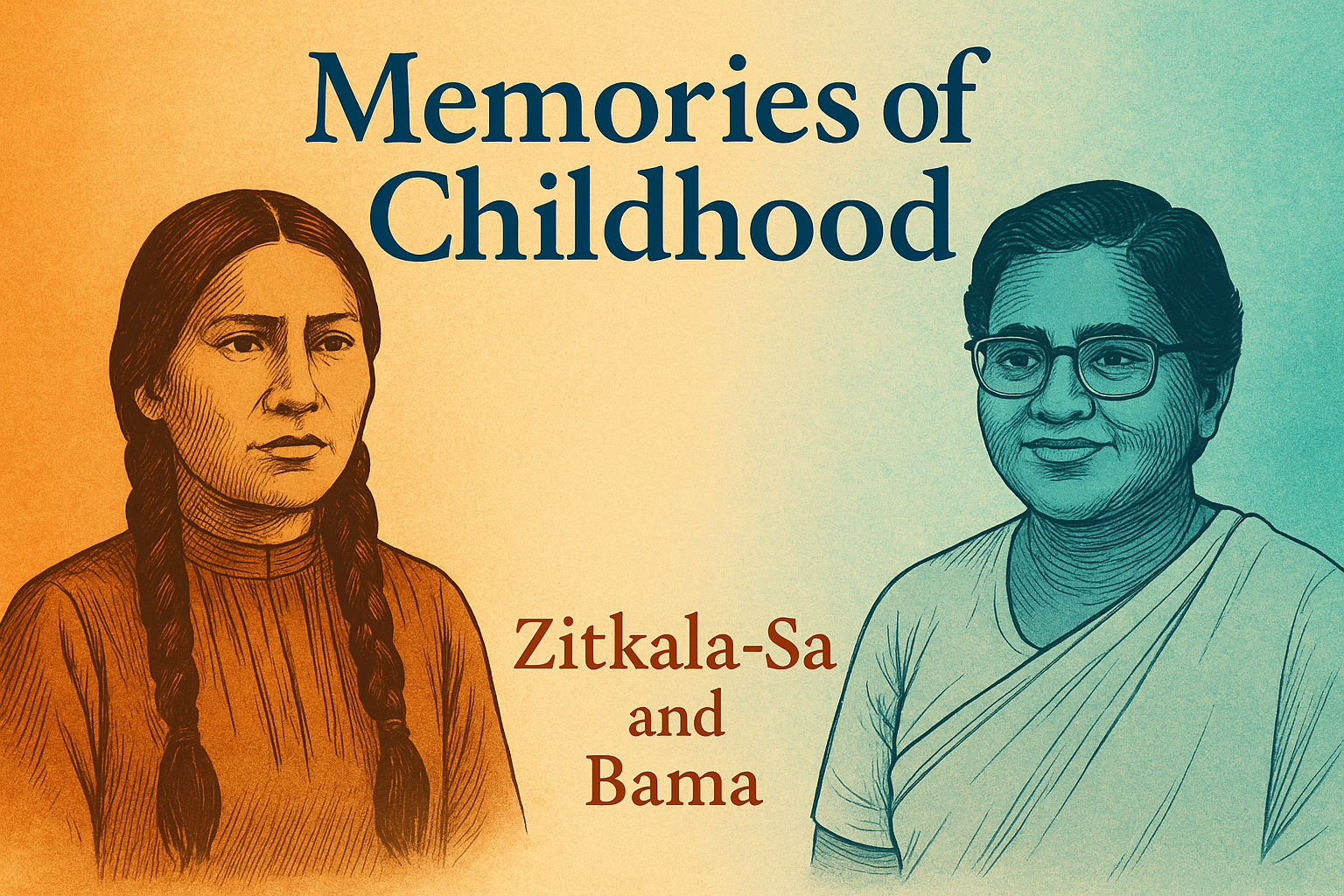
Memories of Childhood presents two autobiographical episodes written by women from marginalised communities who recall painful experiences from their childhood. Though the writers belong to different countries and cultures, both accounts highlight the deep-rooted oppression faced by the weak at the hands of dominant social groups.
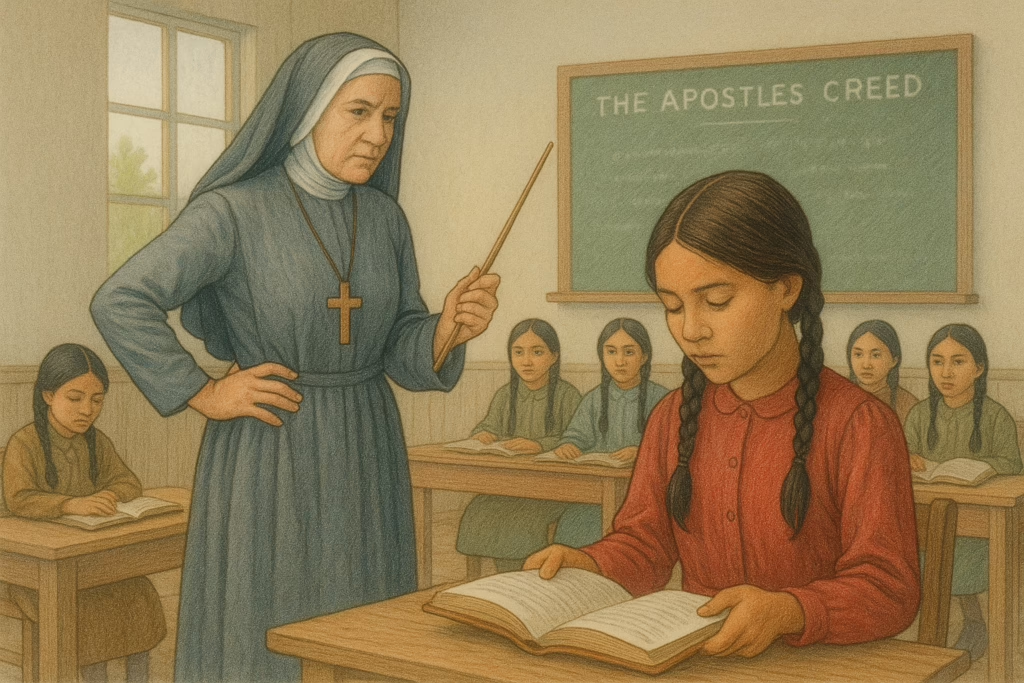
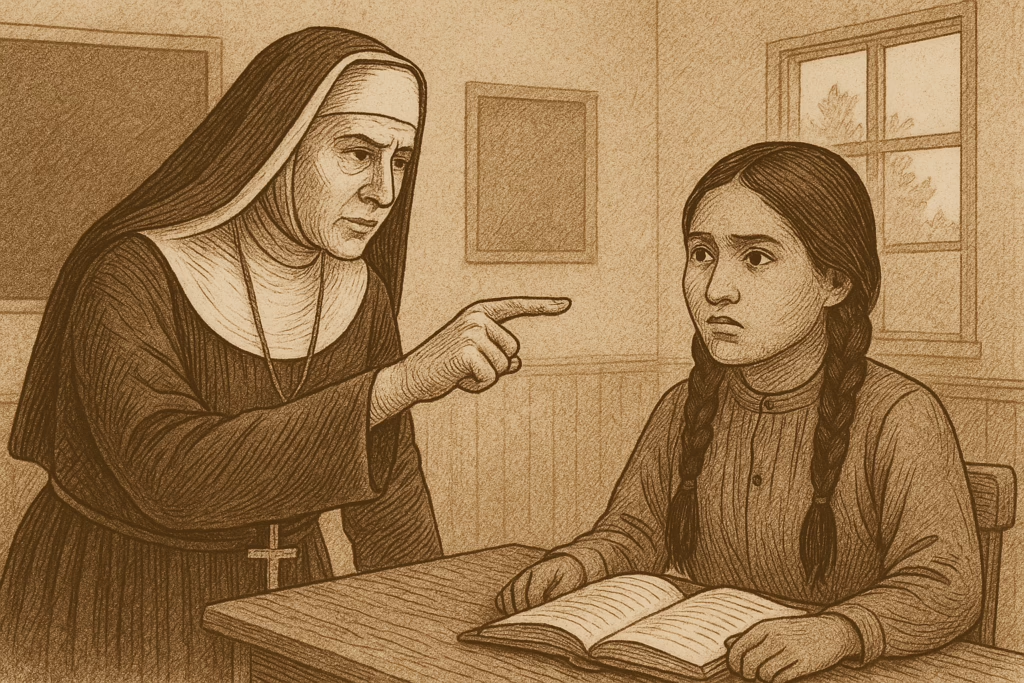
The first part, “The Cutting of My Long Hair” by Zitkala-Sa, describes the author’s traumatic experience at a boarding school meant to “civilise” Native American children. Zitkala-Sa feels alienated and frightened by the unfamiliar environment, strict rules, and mechanical routine of the school. The most humiliating incident occurs when her long hair—an important symbol of cultural identity and dignity for Native Americans—is forcibly cut. Despite her desperate attempt to resist and hide, she is overpowered. The incident symbolises the systematic suppression of her culture and individuality, leaving her emotionally shattered.
The second part, “We Too Are Human Beings” by Bama, narrates her childhood experience of caste-based discrimination in India. As a young schoolgirl, Bama enjoys observing the lively sights of the marketplace. However, her innocence is shattered when she witnesses an elder from her community carrying food for an upper-caste landlord without touching it, to avoid “pollution.” Initially amused, Bama later feels anger and shame when her brother explains the cruel logic of untouchability. This realisation awakens her sense of injustice and strengthens her resolve to fight discrimination through education and self-respect.
Together, both narratives expose the harsh realities of social oppression and show how early experiences of injustice shape awareness, resistance, and the desire for dignity and equality. The chapter strongly conveys that children are keen observers of injustice and that the seeds of rebellion are sown early in life.
About the Authors
Zitkala-Sa
Zitkala-Sa was the pen name of Gertrude Simmons Bonnin, a Native American writer, activist, and educator born in 1876 in the United States. She belonged to the Yankton Sioux tribe. Zitkala-Sa received formal education in missionary and boarding schools, where she experienced racial discrimination and cultural suppression firsthand. These experiences deeply influenced her writing. She used her works to criticise the forced assimilation of Native Americans and the injustices faced by indigenous people. Her autobiographical essays, including “The Cutting of My Long Hair,” reflect her struggle to preserve her cultural identity and dignity in the face of oppression.
Bama
Bama is the pen name of a contemporary Tamil Dalit writer from India, born into a Roman Catholic family. She is best known for her autobiographical work Karukku (1992), from which the extract “We Too Are Human Beings” is taken. Her writings focus on caste discrimination, untouchability, and the social injustices faced by Dalits, especially Dalit women. Through simple yet powerful narration, Bama exposes the harsh realities of caste-based oppression and emphasises education and self-respect as tools for empowerment and resistance.
In Context
Both Zitkala-Sa and Bama use their personal childhood experiences to highlight the pain of marginalisation and the struggle against social injustice. Despite belonging to different cultures and time periods, their writings strongly advocate human dignity, equality, and resistance against oppression.
Reading with Insight – Textual Questions and Answers
1. The two accounts that you read above are based in two distant cultures. What is the commonality of theme found in both of them?
The commonality of theme in both accounts is the experience of oppression, humiliation, and discrimination faced by children belonging to marginalised communities. Although Zitkala-Sa writes about racial discrimination faced by Native Americans in the United States and Bama writes about caste-based discrimination faced by Dalits in India, both narratives highlight how dominant cultures suppress and dehumanise the weaker sections of society. Both authors reflect on how these painful childhood experiences shaped their awareness and resistance against injustice.
2. It may take a long time for oppression to be resisted, but the seeds of rebellion are sowed early in life. Do you agree that injustice in any form cannot escape being noticed even by children?
Yes, I agree that injustice in any form cannot escape being noticed even by children. In the text, Zitkala-Sa instinctively resists the cutting of her hair because she understands that it is an attack on her cultural identity and dignity. Similarly, Bama, though very young, feels disturbed and angry when she realises the reason behind the humiliating behaviour of the elder carrying food for the landlord. These examples clearly show that children are sensitive to injustice and that early experiences often plant the seeds of resistance and rebellion.
3. Bama’s experience is that of a victim of the caste system. What kind of discrimination does Zitkala-Sa’s experience depict? What are their responses to their respective situations?
Zitkala-Sa’s experience depicts racial and cultural discrimination faced by Native Americans at the hands of white authorities. She is forcibly separated from her cultural roots, stripped of her traditional clothing, and subjected to the humiliating act of cutting her hair, which symbolises loss of identity and freedom. Her response is one of open resistance, as she tries to hide and struggle physically, even though she is ultimately overpowered.
Bama’s experience reflects caste-based discrimination practised against Dalits in Indian society. Initially, she does not understand the reason behind the humiliating behaviour of her community members, but once her brother explains it to her, she responds with anger, awareness, and determination. Unlike Zitkala-Sa’s immediate physical resistance, Bama chooses education and self-improvement as her means of protest against oppression.