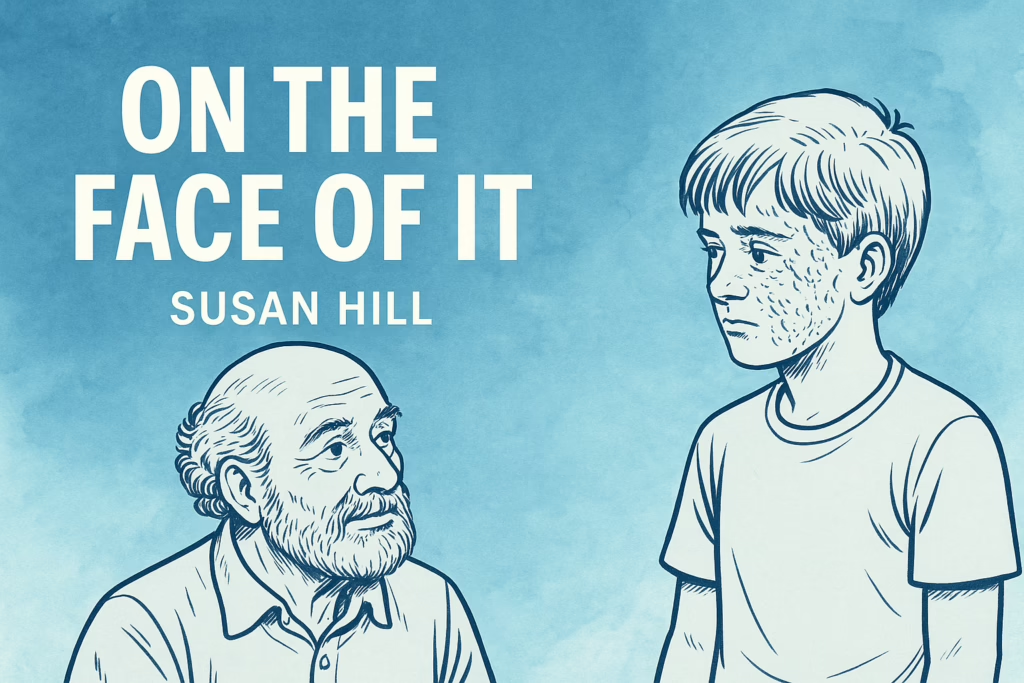
Literary texts often gain deeper meaning when readers actively engage with them through thoughtful questioning and reflection. On the Face of It by Susan Hill is a powerful play that addresses themes of physical disability, social prejudice, loneliness, and the transformative power of human empathy. To help Class XII CBSE students develop a clearer understanding of these ideas and prepare effectively for examinations, the following set of extended additional questions and answers has been designed. These questions encourage critical thinking, value-based reflection, and close textual analysis, enabling students to explore the characters, themes, and moral lessons of the play in a structured and exam-oriented manner.
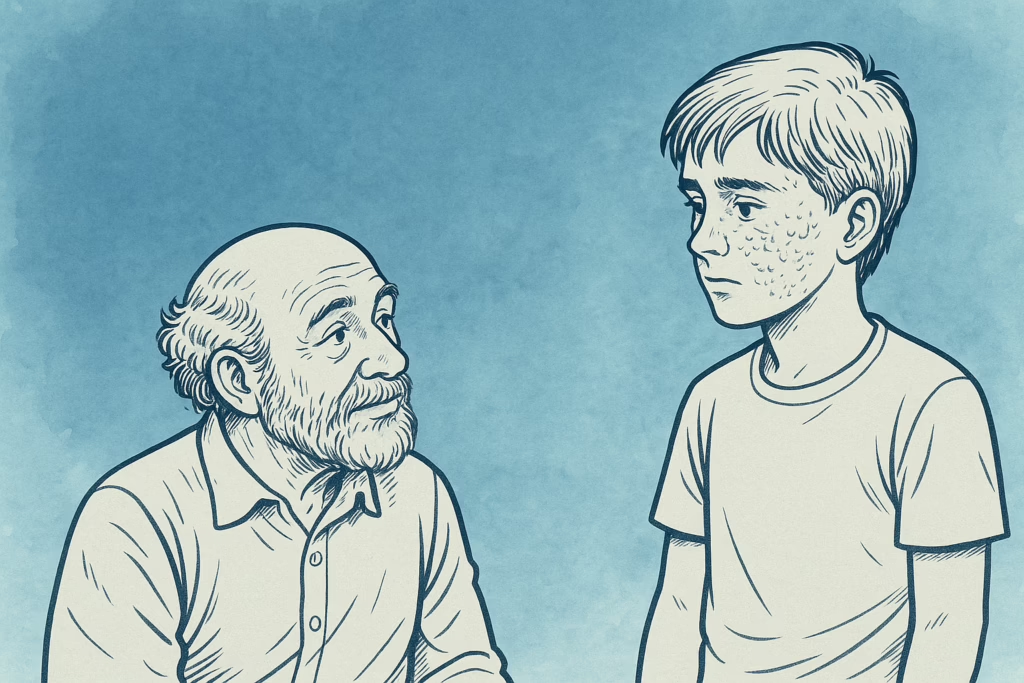
A. Very Short Answer Questions (1–2 marks)
1. Why does Derry enter Mr Lamb’s garden secretly?
Derry enters Mr Lamb’s garden by climbing the wall because he believes the house is empty and wants to avoid being seen by people.
2. What physical disability does Mr Lamb have?
Mr Lamb has a tin leg, as his real leg was blown off during the war.
3. What caused Derry’s facial disfigurement?
Derry’s face was disfigured due to acid burns that permanently damaged one side of his face.
4. Why does Mr Lamb call crab apples “magic fruit”?
Mr Lamb calls crab apples “magic fruit” because he admires their colour and believes they can be transformed into something useful and beautiful like jelly.
5. What does the open gate of Mr Lamb’s garden symbolize?
The open gate symbolizes openness, acceptance, and Mr Lamb’s welcoming attitude towards life and people.
B. Short Answer Questions (3–4 marks)
1. How does Mr Lamb react when Derry reveals the truth about his face?
Mr Lamb reacts calmly and without shock when Derry reveals the truth about his face. He does not show pity or fear, which makes Derry feel accepted and respected. Mr Lamb focuses on Derry as a person rather than on his disfigurement.
2. Why does Derry feel angry and frustrated with people?
Derry feels angry and frustrated because people judge him solely based on his appearance. He believes that their kindness is false and that they secretly feel fear or disgust when they look at him.
3. How does Mr Lamb’s attitude towards life differ from Derry’s?
Mr Lamb has a positive and open attitude toward life, accepting both joy and suffering. In contrast, Derry is pessimistic, withdrawn, and believes that his disfigurement has ruined his future.
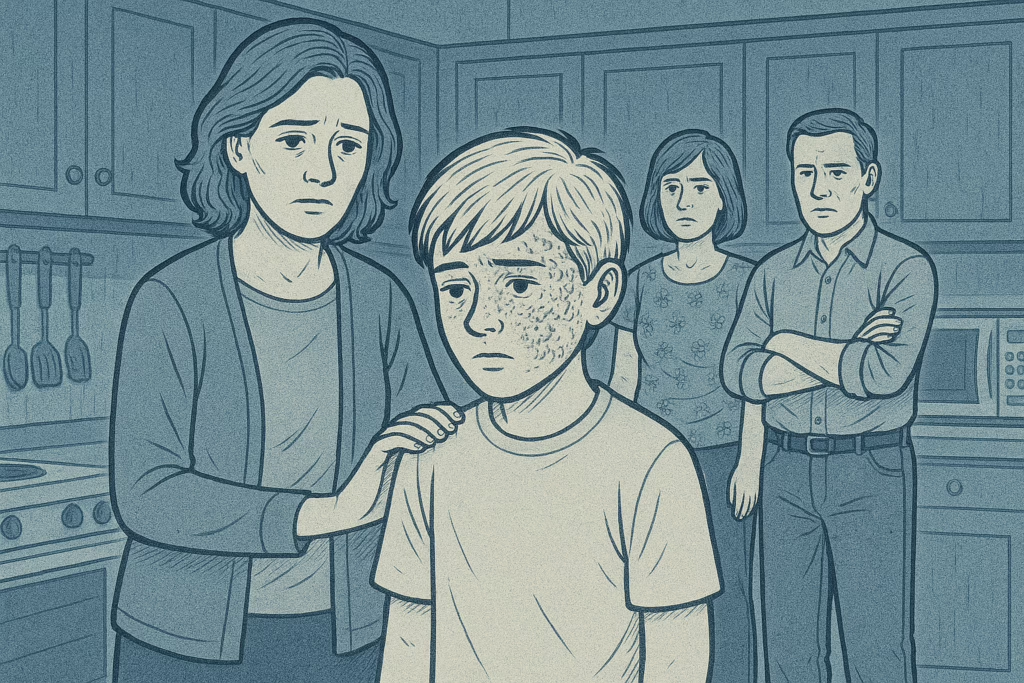
4. Why does Derry’s mother forbid him from visiting Mr Lamb?
Derry’s mother forbids him from visiting Mr Lamb because she has heard rumours and is afraid for her son’s safety. Her reaction reflects social prejudice and excessive protectiveness.

C. Long Answer Questions (5–6 marks)
1. Discuss how the conversation between Mr Lamb and Derry helps Derry overcome his sense of isolation.
The conversation between Mr Lamb and Derry plays a crucial role in reducing Derry’s isolation. Mr Lamb treats Derry as a normal boy and does not focus on his disability. He encourages Derry to see life beyond appearances and to take risks instead of hiding from the world. Through Mr Lamb’s wisdom and empathy, Derry begins to feel understood and valued, which restores his confidence and desire to engage with life.
2. How does Susan Hill use symbolism in the play?
Susan Hill uses several symbols in the play. Mr Lamb’s open gate represents acceptance and openness to the world. The garden symbolizes life, growth, and healing. The absence of curtains in Mr Lamb’s house reflects transparency and fearlessness. These symbols reinforce the theme that life should be lived openly, despite suffering and imperfections.
3. Explain the significance of the play’s tragic ending.
The tragic ending, where Mr Lamb dies after falling from a ladder, highlights the unpredictability of life. Although the ending is sad, it is meaningful because Mr Lamb’s influence permanently changes Derry. The tragedy reinforces the message that even brief human connections can leave a lasting impact.
D. Higher Order Thinking Skills (HOTS)
1. Do you think Mr Lamb is truly lonely? Justify your answer.
Mr Lamb is physically alone but not emotionally lonely. He maintains a deep connection with life through nature, books, memories, and people who visit him. His openness and positive attitude help him overcome loneliness.
2. If Derry had not met Mr Lamb, how might his life have turned out?
If Derry had not met Mr Lamb, he would likely have continued living in fear and isolation. Mr Lamb’s influence helps Derry develop self-confidence and courage to face the world.
3. Is Derry justified in his anger towards society?
Derry’s anger is understandable because he has faced cruelty and rejection. However, the play suggests that allowing anger to dominate one’s life can cause deeper emotional harm.

E. Value-Based Questions
1. What values does Mr Lamb represent in the play?
Mr Lamb represents values such as acceptance, courage, optimism, empathy, and respect for life. He believes in living fully despite physical limitations.
2. What moral lesson does the play convey?
The play conveys that external appearance does not define a person’s worth and that true disability lies in fear, isolation, and negative thinking rather than physical impairment.
3. How does the play encourage empathy towards people with disabilities?
The play encourages empathy by showing the emotional pain caused by social prejudice and by highlighting the importance of understanding, acceptance, and humane behaviour.
F. Extract-Based Practice
Explain:
“Everything’s the same, but everything is different.”
Answer:
This line suggests that while all human beings share the same basic existence, each individual’s experiences, struggles, and identity are unique. It emphasizes individuality beyond physical appearance.
In conclusion, On the Face of It offers valuable insights into human relationships, self-acceptance, and the need for empathy in a judgmental world. The extended set of additional questions and answers presented in this article is aimed at deepening students’ understanding of the play while strengthening their analytical and writing skills for the Class XII CBSE examination. By engaging with these questions, students can move beyond surface-level reading to appreciate the play’s themes, symbolism, and moral values, ultimately learning that true courage lies in facing life with openness, compassion, and confidence.