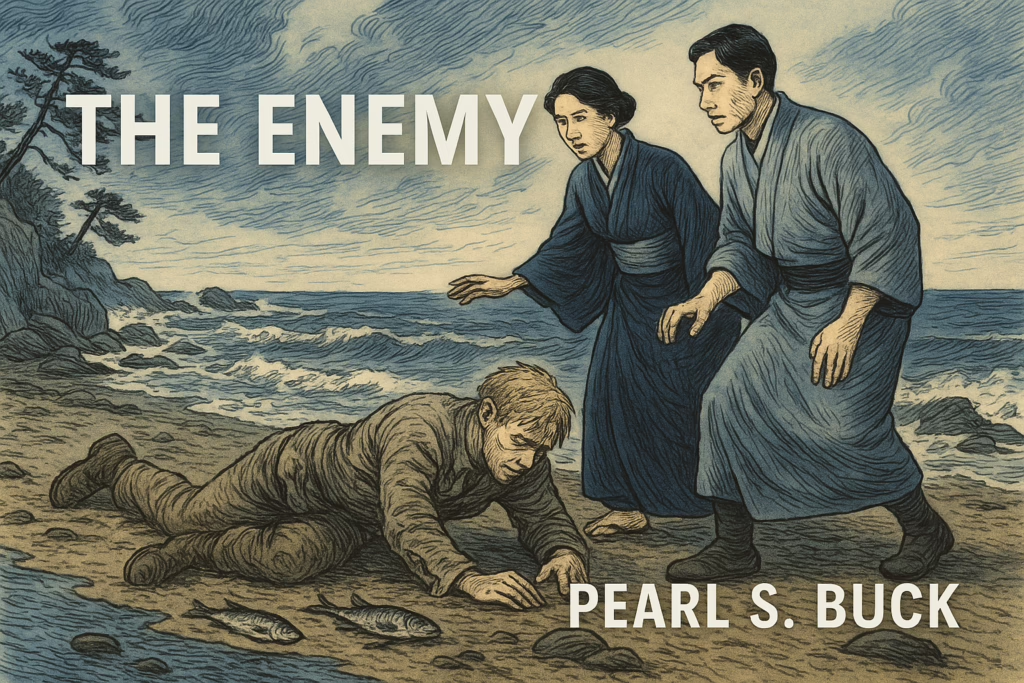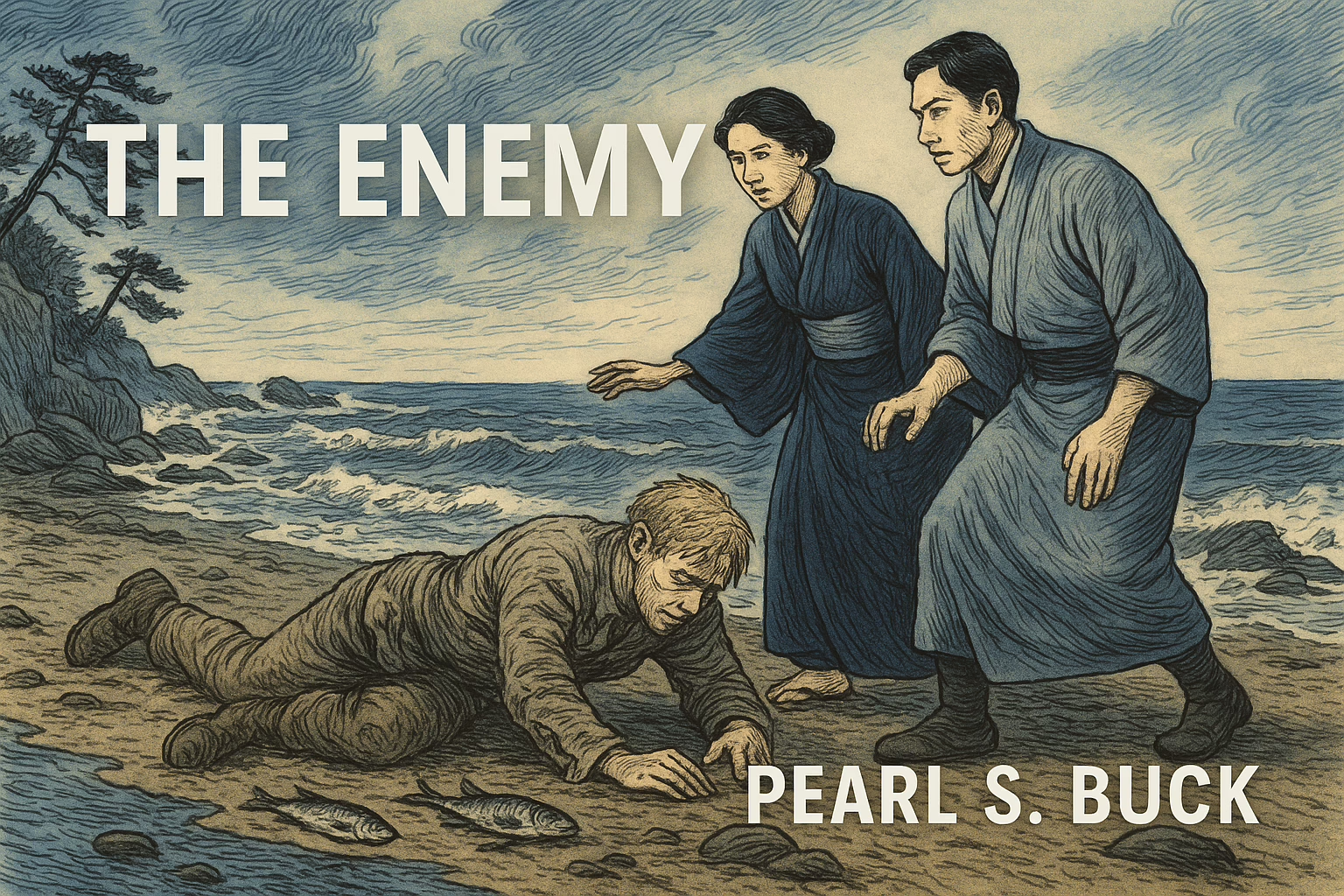
Pearl S. Buck’s The Enemy is a powerful story that explores humanity, moral courage, and ethical dilemmas against the harsh backdrop of war. As part of the Class XII CBSE curriculum, the chapter encourages students to think beyond national boundaries and reflect on universal values such as compassion, duty, and personal integrity. To deepen understanding of these themes, this article presents a comprehensive set of additional questions and answers—ranging from short and long responses to higher-order thinking and value-based questions. These thoughtfully designed Q&As aim to strengthen conceptual clarity, foster critical thinking, and prepare learners effectively for examinations while helping them appreciate the deeper message of the story.
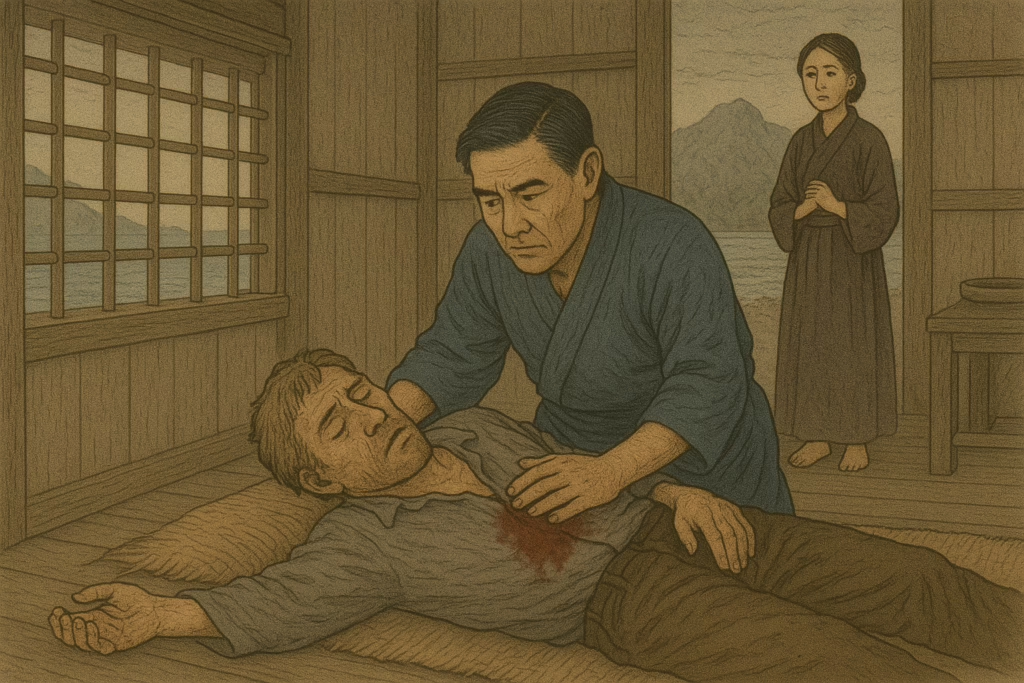
Short Answer Questions (SAQs – 2 to 3 marks)
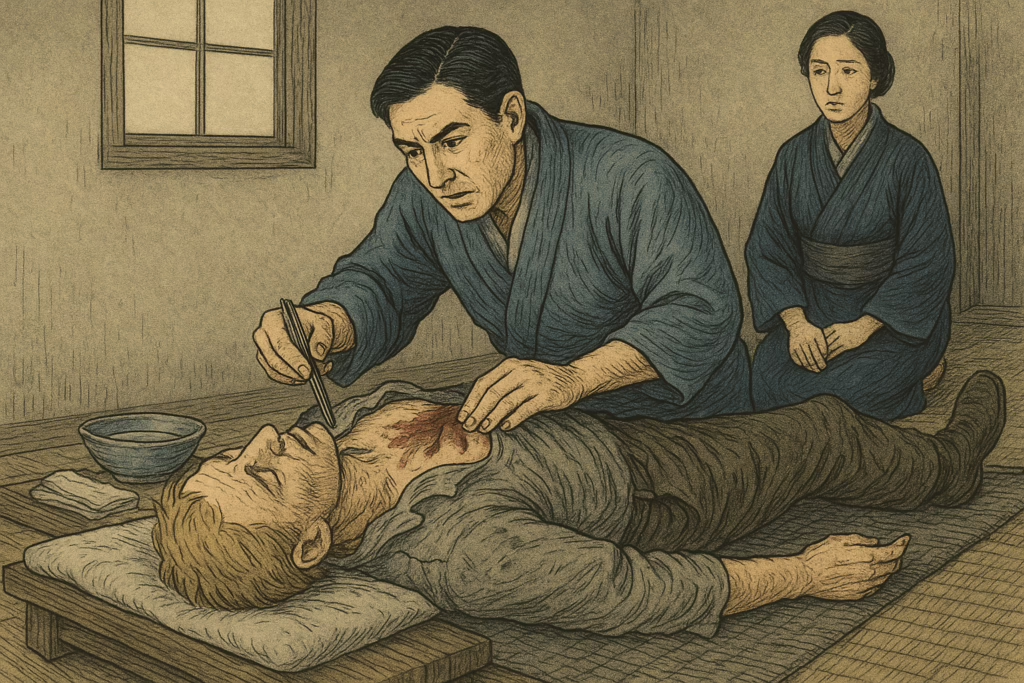
1. Why did the sight of the wounded American fill Hana with both fear and pity?
Hana felt fear because the wounded man was an enemy soldier, and harbouring him could lead to their arrest. At the same time, she felt pity because he was badly injured, helpless, and barely alive, which stirred her basic humanity.
2. Why did Yumi refuse to wash the white man?
Yumi refused to wash the white man because she believed it was not her duty to care for an enemy. She feared that helping a foreigner might bring punishment upon the household and felt it was improper to tend to a man of another race.
3. What made Sadao momentarily ruthless during the operation?
During the operation, Sadao briefly felt that there was no reason for the man to live, which made him operate with a cold, detached ruthlessness. His frustration at Hana’s distress and his own inner conflict heightened this feeling.
4. Why did the servants decide to leave Dr. Sadao’s house?
The servants left because they believed Sadao and Hana were betraying Japan by protecting an American enemy. They feared the consequences of being associated with such an act and wanted to avoid being punished as accomplices.
5. Why did the General choose not to arrest Dr. Sadao?
The General prioritized his personal need for Sadao’s medical skill over national loyalty. He feared that if Sadao were arrested, no other surgeon could save him in a medical emergency, so he protected him for selfish reasons.
6. What plan did the General propose to dispose of the prisoner?
The General offered to send two private assassins to kill the American quietly during the night and remove the body without Sadao knowing, thereby relieving Sadao of any responsibility.
7. What made the American soldier trust Sadao eventually?
The soldier began trusting Sadao after realising that the doctor had saved his life, treated him with care, and had made no attempt to harm him despite their countries being at war.
8. Why did Sadao finally decide to help the soldier escape?
Sadao realised that the strain of hiding the man was becoming unbearable and dangerous for his family. Since the General never sent the assassins, the safest solution was to secretly let the soldier escape.
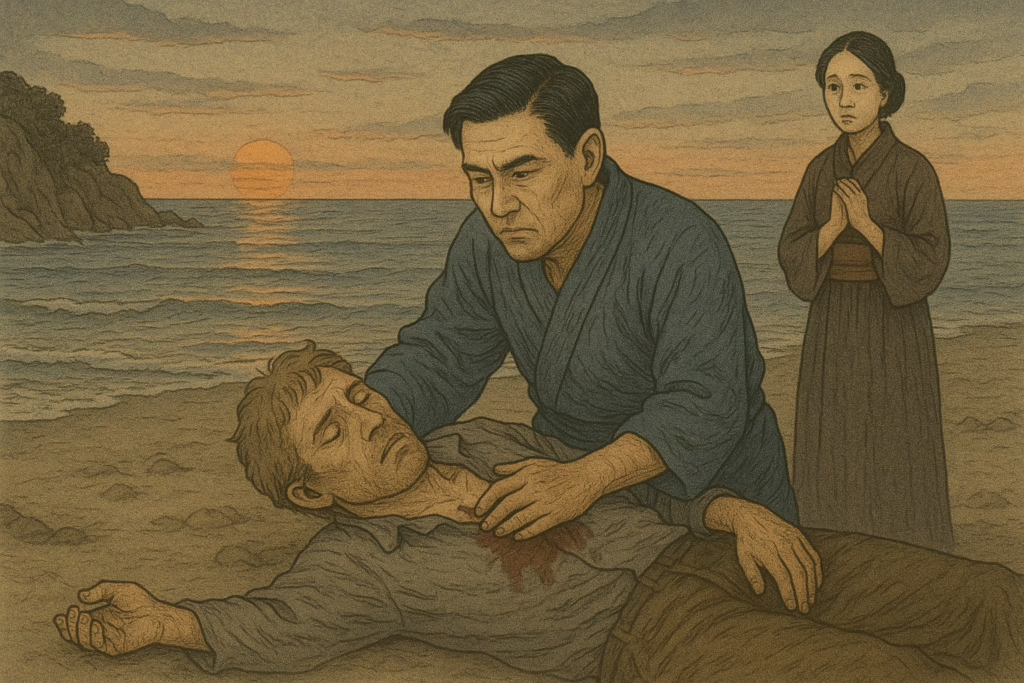
Long Answer Questions (LAQs – 5 to 6 marks)
9. Describe the moral conflict faced by Dr. Sadao throughout the story.
Dr. Sadao’s moral conflict arises from two opposing duties: his obligation as a loyal Japanese citizen during wartime and his ethical responsibility as a doctor. As a citizen, he knows he must surrender the enemy soldier to the authorities. As a surgeon, he cannot allow a man to die when he has the ability to save him. This conflict intensifies as the servants leave, Hana suffers emotionally, and the General places the burden of killing the prisoner indirectly on him. Ultimately, Sadao resolves his dilemma by neither killing nor surrendering the man but helping him escape — an act that fulfils both humanity and practicality.
10. How does Hana’s character contribute to the emotional depth of the story?
Hana’s reactions reflect the emotional turmoil within the household. She is initially frightened of the American but still assists Sadao in caring for him, even washing him herself. Her anxiety over the servants’ departure, her fear for her husband’s safety, and her courage in facing an unfamiliar, dangerous situation add layers of realism. She symbolizes the inner conflict between loyalty, fear, and compassion.
11. Examine the significance of the scene in which Sadao waits for assassins who never come.
The scene where Sadao waits for the assassins heightens suspense and reveals his internal struggle. Each night, he wakes to imagined sounds, reflecting the psychological burden of his decision. The General’s failure to send the assassins symbolizes the emptiness of wartime authority, highlighting how personal concerns override national duty. This moment pushes Sadao toward making an independent, humane choice to free the soldier.
12. Discuss how the ending of the story brings resolution and deeper reflection for Sadao.
The ending resolves the central conflict when Sadao confirms the prisoner has successfully escaped. Though relieved, he wonders why he could not bring himself to kill the young American despite being conditioned to resent the enemy. This introspection reveals that human compassion ultimately triumphs over prejudice, making Sadao confront his own deeper values.
HOTs (Higher Order Thinking Skills) Questions
13. “War dehumanizes both the victim and the victor.” Explain with reference to the story.
The American soldier suffers physically and mentally, becoming a mere object of hatred. On the other side, Japanese society—including servants, and the General—shows cruelty and selfishness shaped by war. Only Sadao and Hana retain compassion, proving that war strips humanity from individuals unless resisted consciously.
14. Was Sadao justified in helping the prisoner escape? Support your viewpoint.
Yes. Sadao chose the only solution that ensured safety for his family, upheld his professional ethics, and prevented the soldier’s unjust death. The government itself failed in responsibility, leaving the moral burden solely on him. His choice demonstrates ethical courage and intelligent problem-solving.
Value-Based / Character-Based Questions
15. What qualities of Sadao make him a true hero of the story?
Sadao displays courage, moral integrity, compassion, and loyalty to both profession and family. Despite fear and risk, he saves a dying enemy, performs surgery with precision, and finds a humane escape plan. His actions reflect the highest values of humanity.
16. How does the story highlight the theme of universal brotherhood?
The Japanese doctor and his wife help an American soldier during a war that teaches them to hate him. Their compassion shows that humanity transcends race, nationality, and conflict. The story proves that suffering and life are universal experiences that unite all human beings.
The Enemy stands as a timeless reminder that true humanity often reveals itself in moments of moral crisis. Through the character of Dr. Sadao, the story compels readers to look beyond the barriers of race, nationality, and wartime hostility. The additional questions and answers presented in this article aim not only to reinforce textual understanding but also to encourage deeper reflection on the ethical choices individuals face in challenging circumstances. By engaging with these ideas, students develop sharper analytical skills and a richer appreciation of literature’s power to illuminate the complexities of human nature.